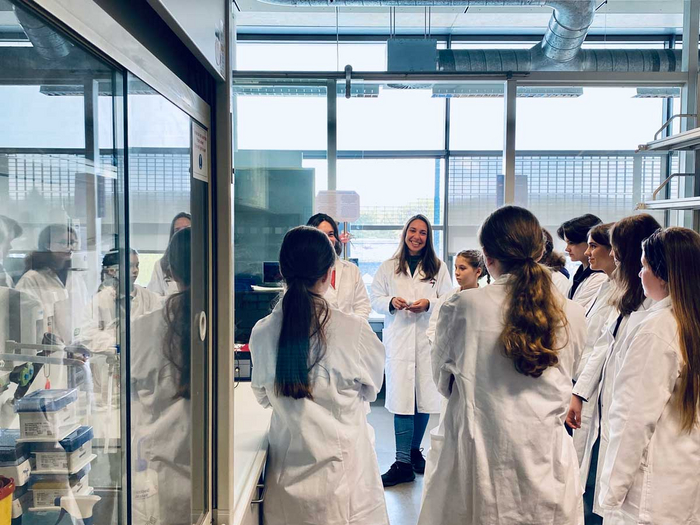
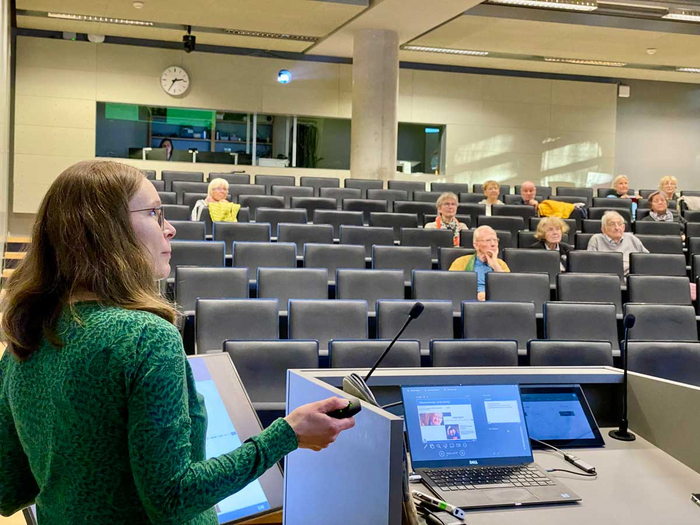
Information Day for a career in science
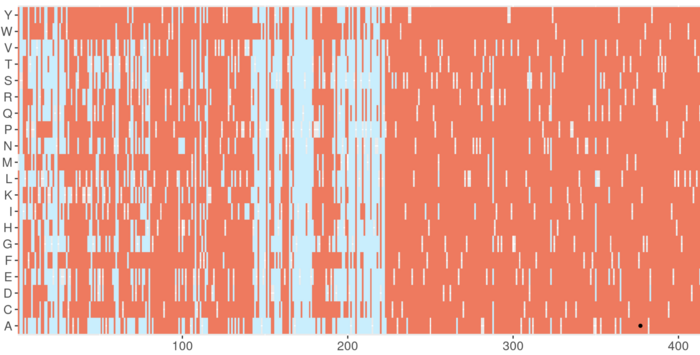
Max Planck and Harvard research teams develop DeMAG, a new method shared as an open-source web server (demag.org) to help interpret mutations in…
Dresden researchers develop CrowDsourcing COndensate Database and Encyclopedia (CD-CODE), a community-editable platform and database of biomolecular…
Study from Max Planck Berlin and Dresden researchers recognized as most exciting work published in the journal “Development.”
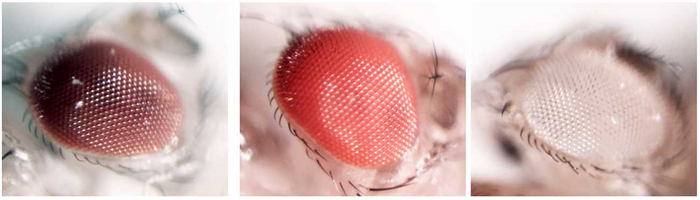
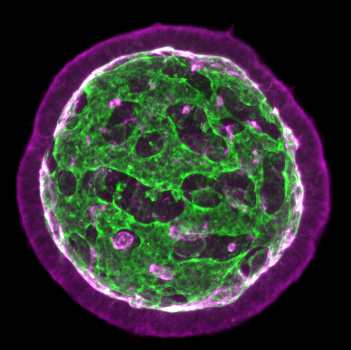
Researchers from Dresden investigated how four Drosophila genes, known to control eye color, are essential for health of retinal tissue.
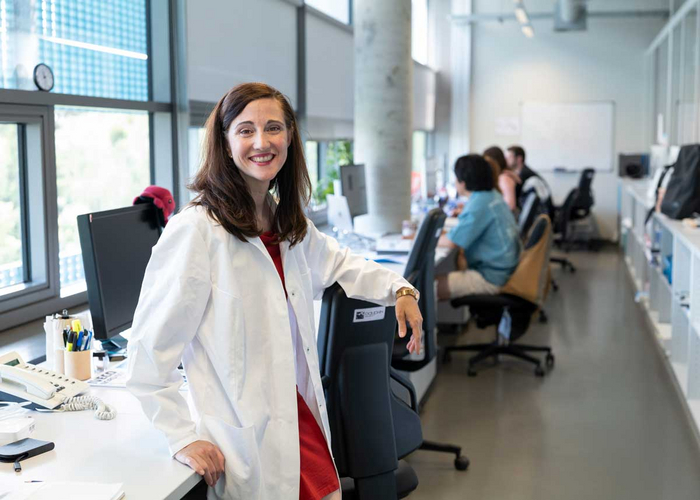
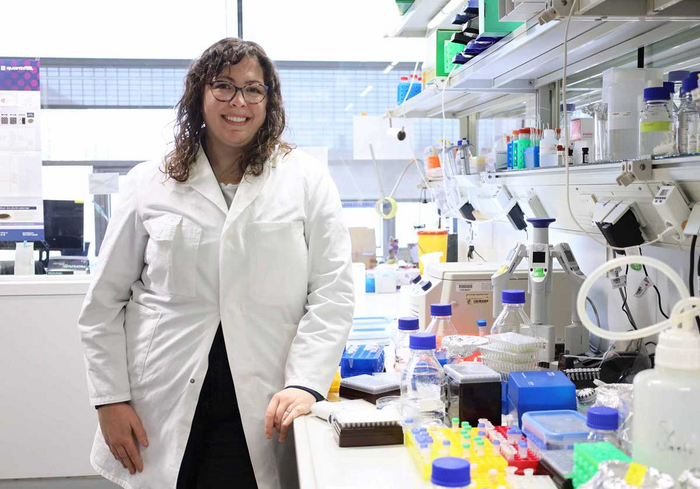
For International Women’s Day and World Organoid Research Day, AMSBIO interviewed two extraordinary women about their experiences working in science.
Bridging biochemistry and cell biology
Max Planck Director will lead one of the largest medical and scientific research centers in Europe
Hendrik Sikkema receives prestigious fellowship
First hackathon for the Open Framework for Particles and Meshes
Dresden researchers show that mechanical structures within tiny tubules that transport bile fluid could protect the whole tubular network against…
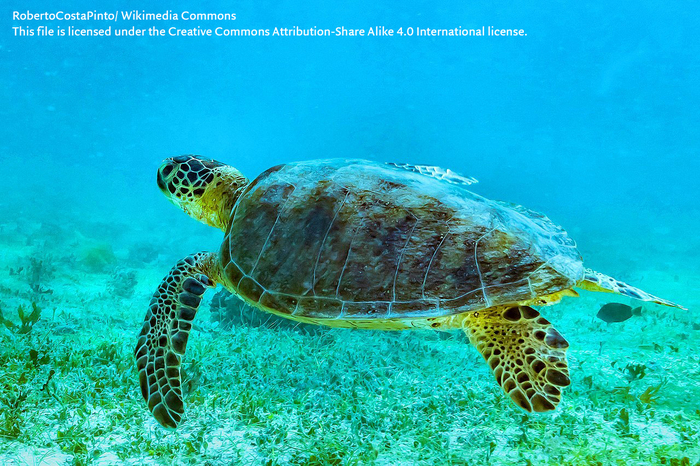
Collaborative, international research effort unveils that the key to sea turtles’ future may lie in their evolutionary history.
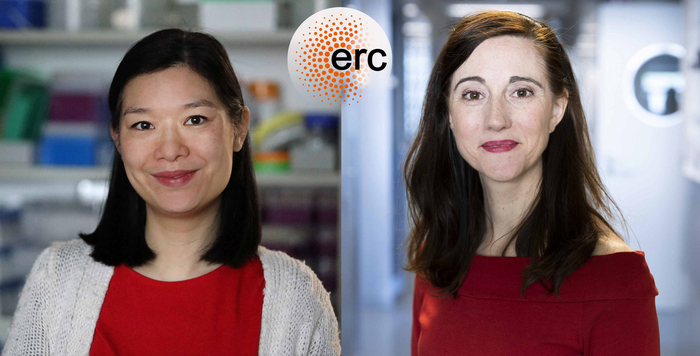
European Research Council funds projects for Meritxell Huch and Dora Tang
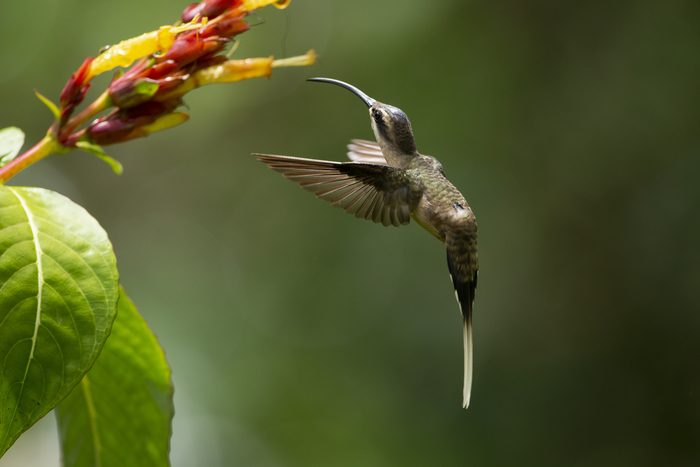
Hummingbird’s hovering flight likely evolved because of a lost gene.
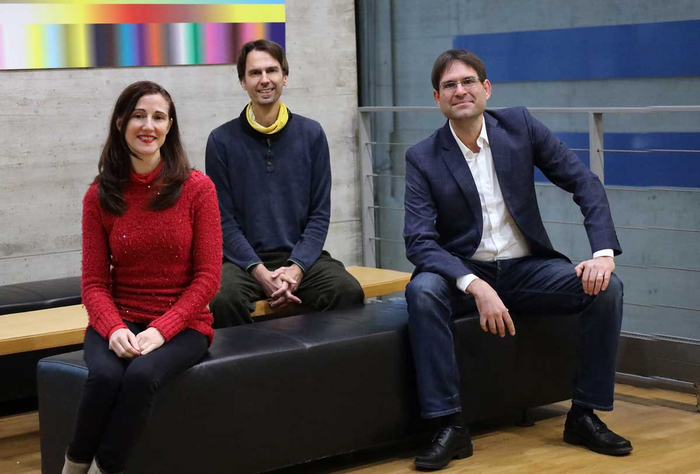
Alf Honigmann, Meritxell Huch and André Nadler are new Allen Distinguished Investigators.
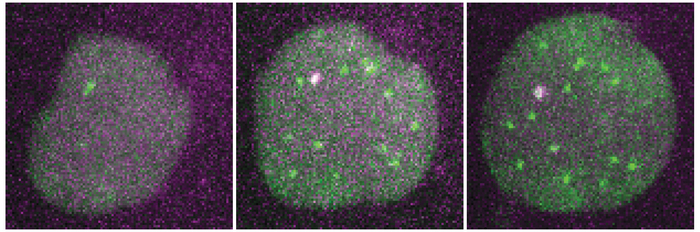
Study reveals that transcription, a basic process in gene expression, is happening in sequentially assembled specialized areas in the cell nucleus.
Talk on phase separation kicks of winter term.
MPI-CBG director emerita elected into INSA for pioneering contribution to science and long-standing collaborations with the scientific community in…
Researchers from Dresden and Vienna reveal link between connectivity of three-dimensional structures in tissues and the emergence of their…
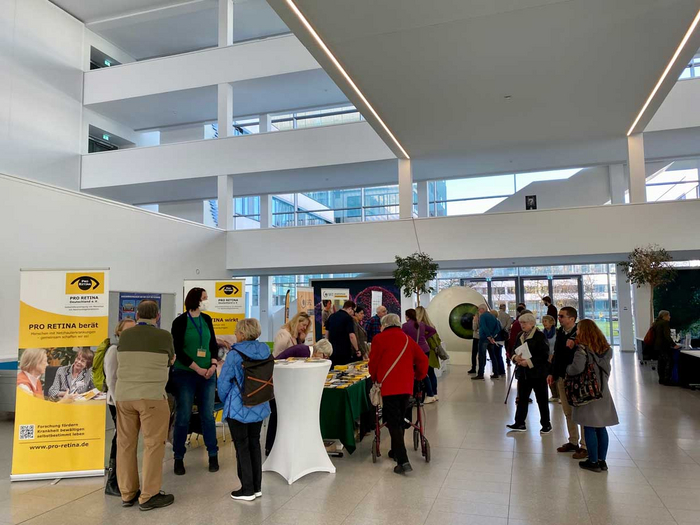
Bridging basic research, therapeutic application and self-help in Retinal diseases
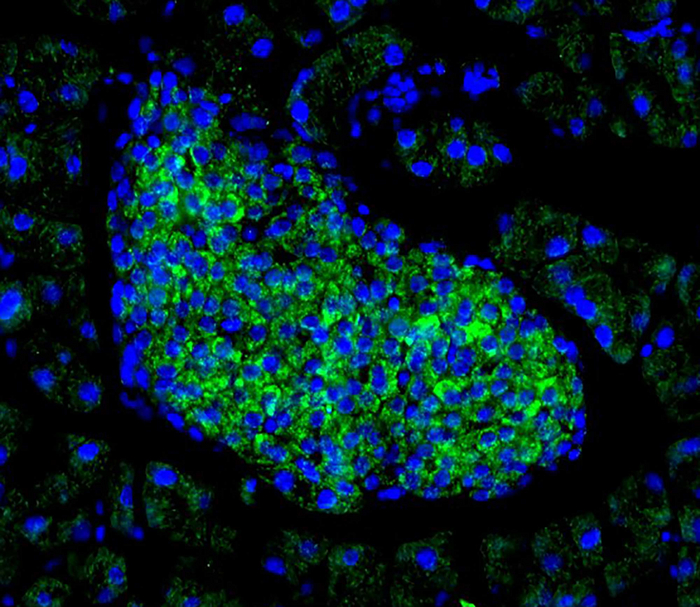
Researchers from Dresden, together with Danish and Finnish colleagues, identify a gene that enables beta cells to communicate with each other, helping…
Prize of the German Society for Clinical Chemistry and Laboratory Medicine e. V. (DGKL) for Kai Simons, Andrej Shevchenko and Andreas Greinacher.
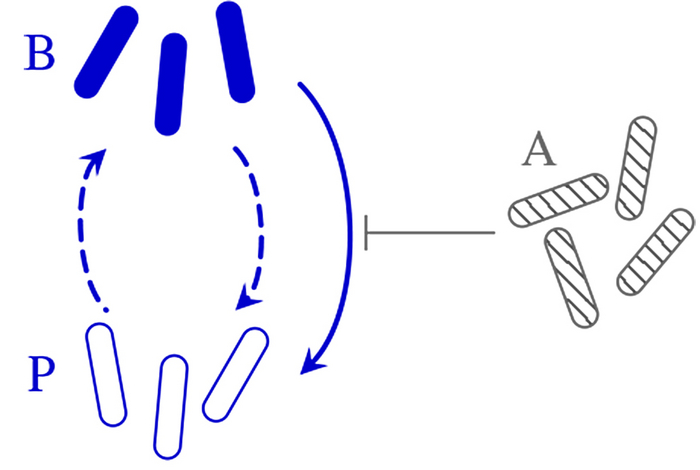
The switching of microbes between different subgroups in response to competition can stabilise ecological communities.
DRESDEN-concept Summer School Bootcamp for Physical Biology with Rob Phillips in Dresden.
World’s largest science prize for discovering a new mechanism of cellular organization.
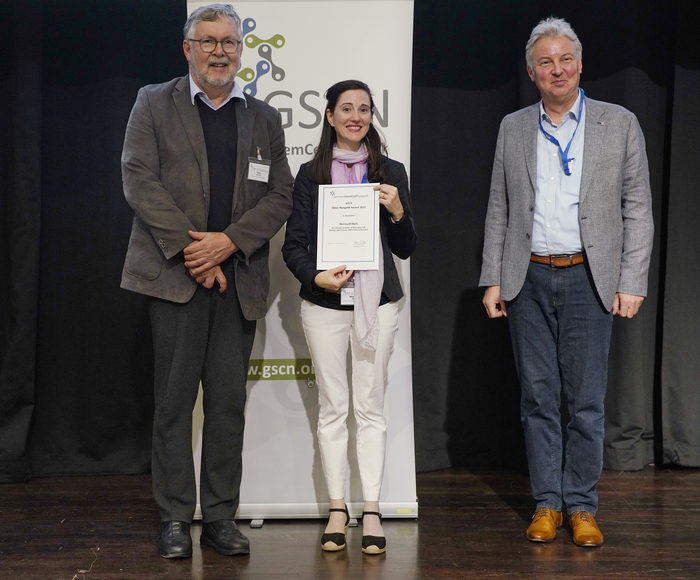
The 2022 Awards of the German Stem Cell Network recognize outstanding stem cell researchers.
The head of the MPI-CBG transgenic core facility receives the award for a method to reduce the number of experimental animals.
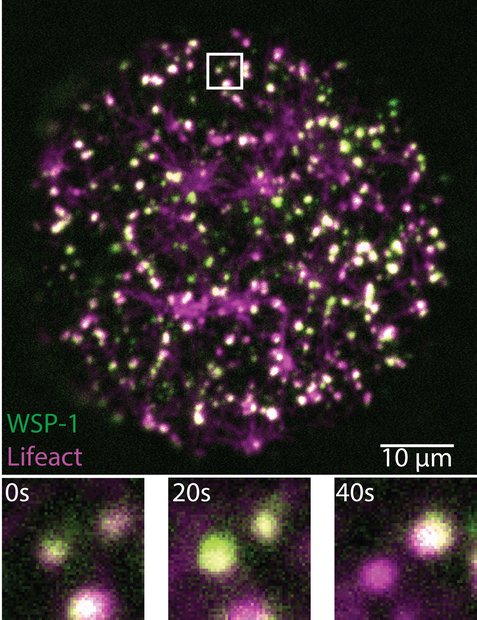
Dresden research team finds that the cell cortex, a fine network of filaments below the cell membrane, is activated in a controlled way by thousands…
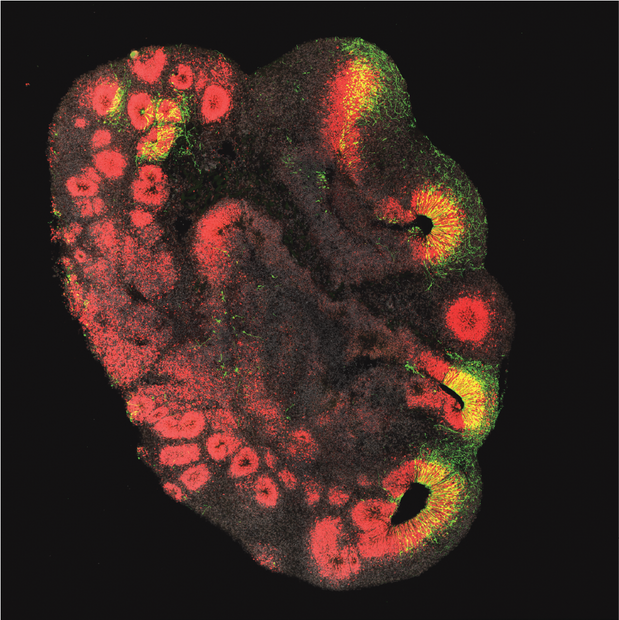
Brain organoids provide insights into the evolution of the human brain
Researchers from Dresden uncover a greater neuron production in the frontal lobe during brain development in modern humans than Neandertals, due to…