Volkswagen Foundation grants research project on 3D tissue shapes
First six reference-quality bat genomes released and analysed.
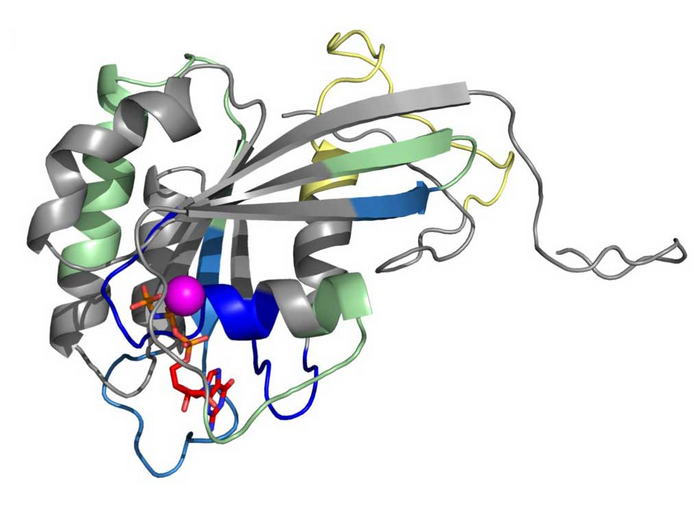
Positive feedback loop creates protein patterns on cellular membranes
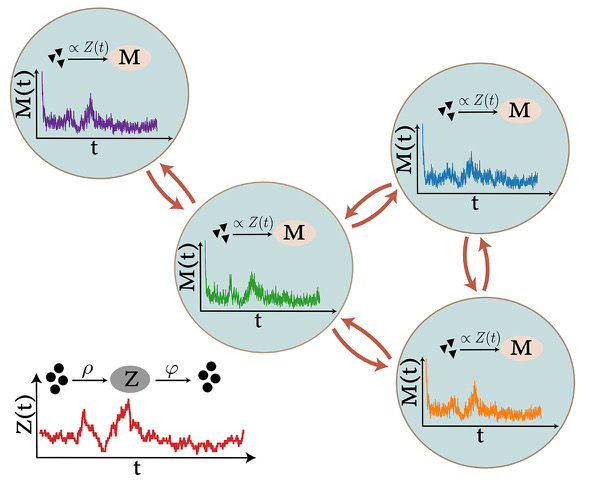
Exchange between cells increases the precision of signal estimation
A wonderful colleague, friend and brilliant scientist is dearly missed.
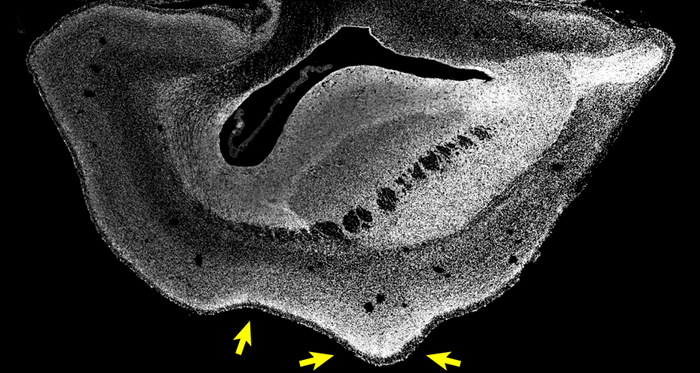
Dresden and Japanese researchers show that a human-specific brain size gene causes a larger neocortex in the common marmoset, a non-human primate.
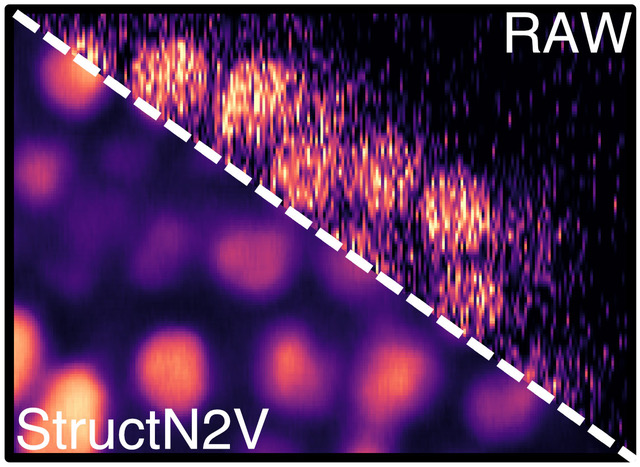
Trained artificial networks improve image quality in fluorescence microscopy
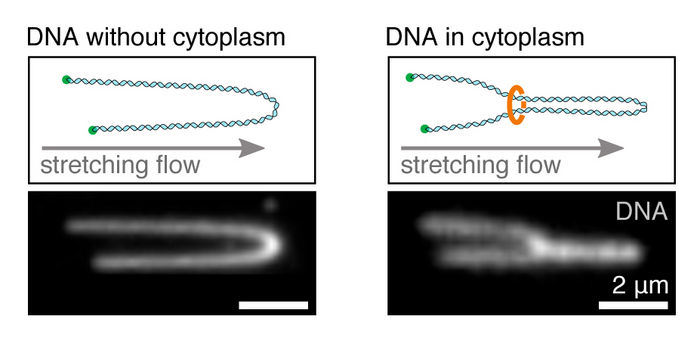
For the first time, Dresden researchers prove the existence of DNA loops in a living context.
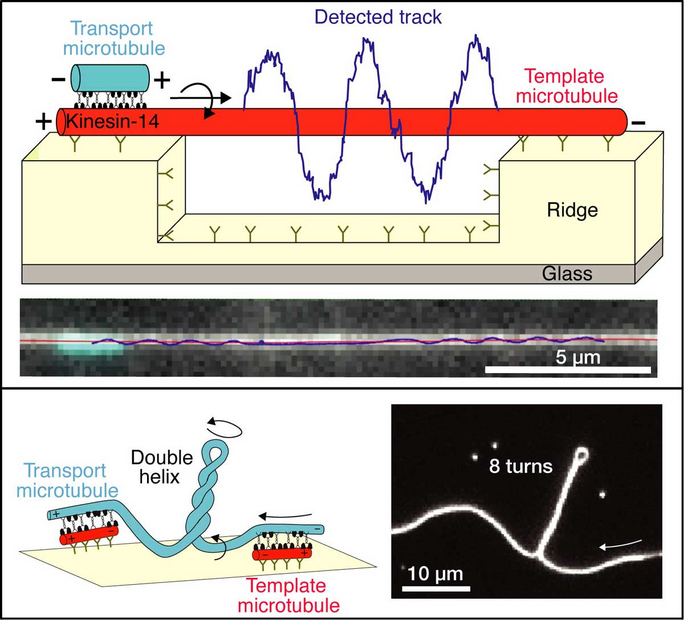
Group of Max Planck Fellow Stefan Diez detects biophysical forces of molecular motors in 3D
MPI-CBG part of the German COVID-19 OMICS Initiative (DeCOI)
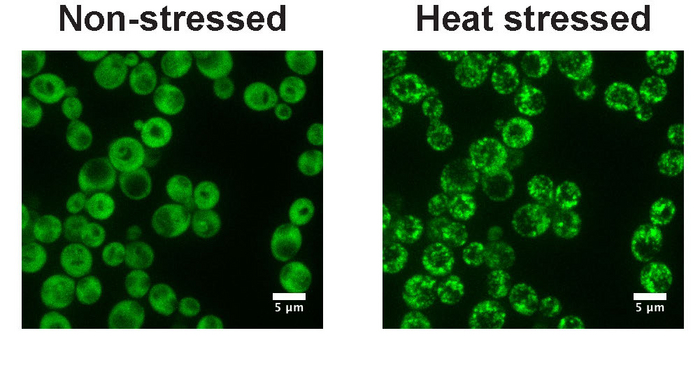
Baker's yeast cells provide information on how organisms could cope with global warming and other altered environmental factors
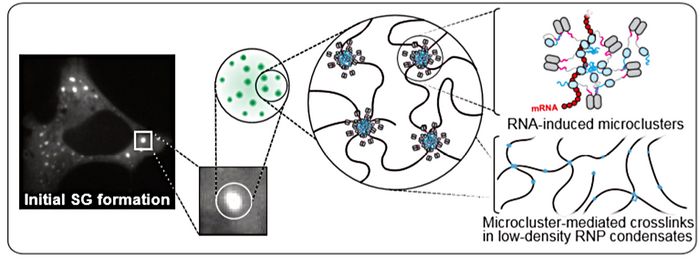
Molecular biologists reverse-engineer a complex cellular structure that is associated with neurodegenerative diseases such as ALS
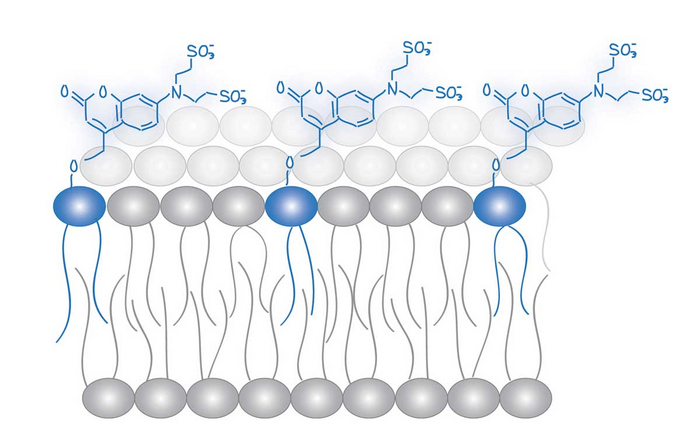
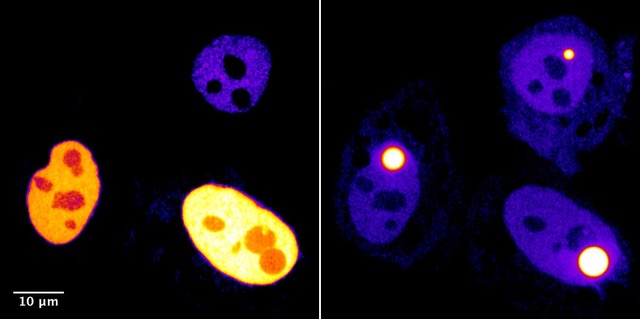
New chemical tools can control the concentration of lipids in living cells
Support for exceptional scientists exploring new and unconventional directions in science
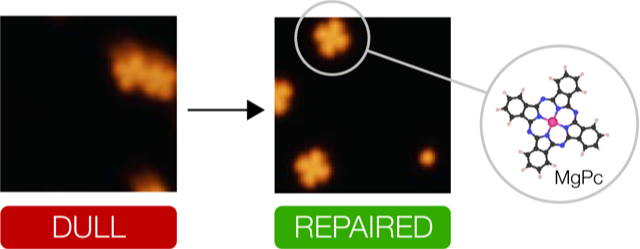
Artificial Intelligence fully automates scanning probe microscopy
European Research Council’s Advanced Grant to Pavel Tomancak
HFSP Program Grant Award for Marino Zerial
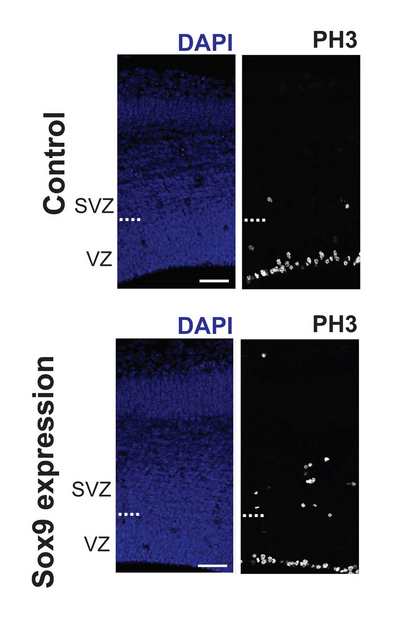
New insights into the role of the transcription factor Sox9
Measures taken and what we are doing to help
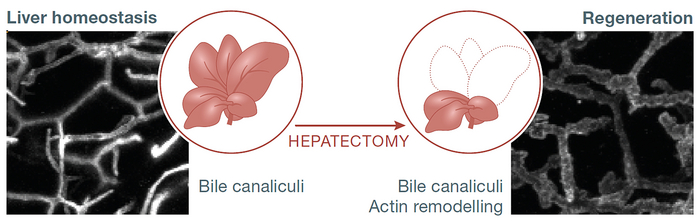
A systems analysis of liver regeneration
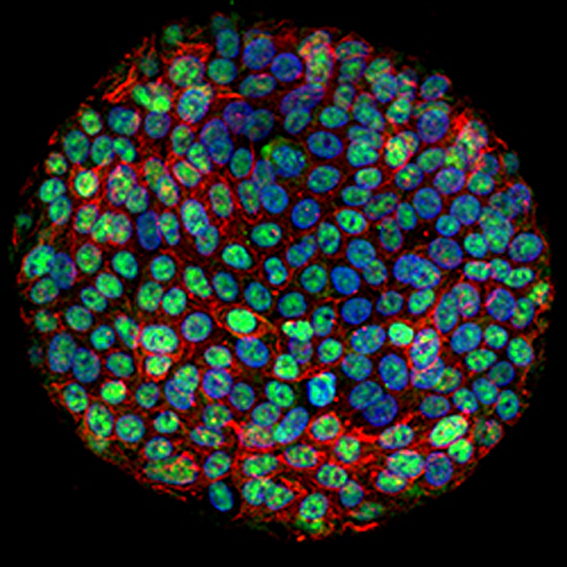
Long-term expansion, genomic stability and in vivo safety of adult human pancreas ductal organoids
Compact DNA organization improves vision in nocturnal mammals.
Award for Pioneering Studies in Cell Biology to MPI-CBG director Tony Hyman
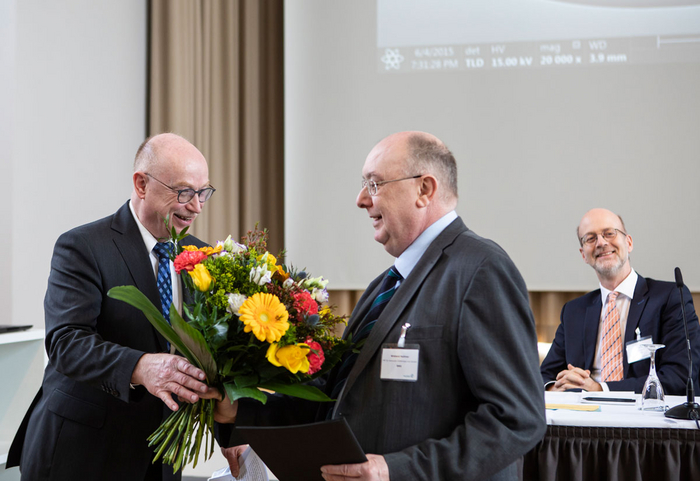
Prize for outstanding commitment and service to the Max Planck Society
Researchers reveal how cells can balance random events in biochemical processes
Dresden researchers engineer a minimal synthetic cellular system to study basic cell function
International Lipid Research Center meeting in Dresden
Recognition of outstanding individual achievements
Mechanism of action of human-specific brain size gene uncovered
Award for outstanding achievement in computer science