Funded project will explore how interactions between cells shape developing human pancreas.
Summer School on Combinatorial Structures in Algebraic Statistics and Game Theory
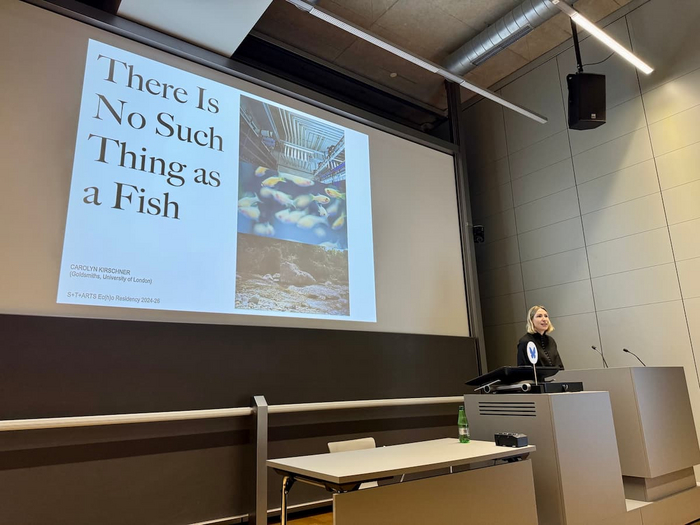
Science and art meet at film screening at MPI-CBG
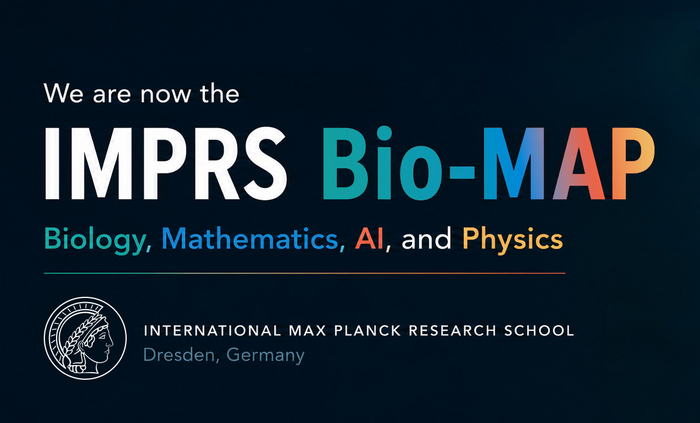
Interdisciplinarity of the MPI-CBG reflected in updated name of International Max Planck Research School
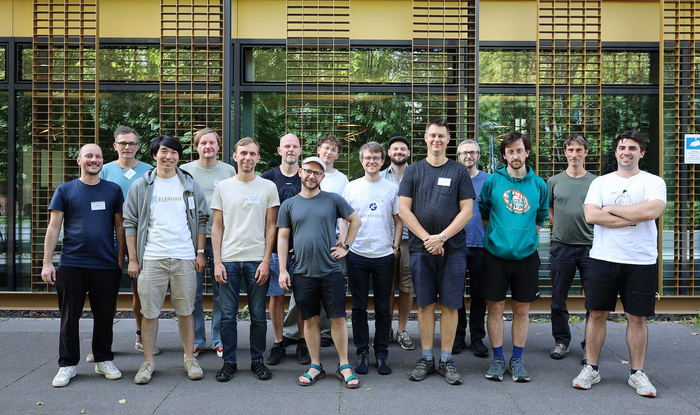
OME-Zarr Hackathon brings together bioimaging community for collaborative development.
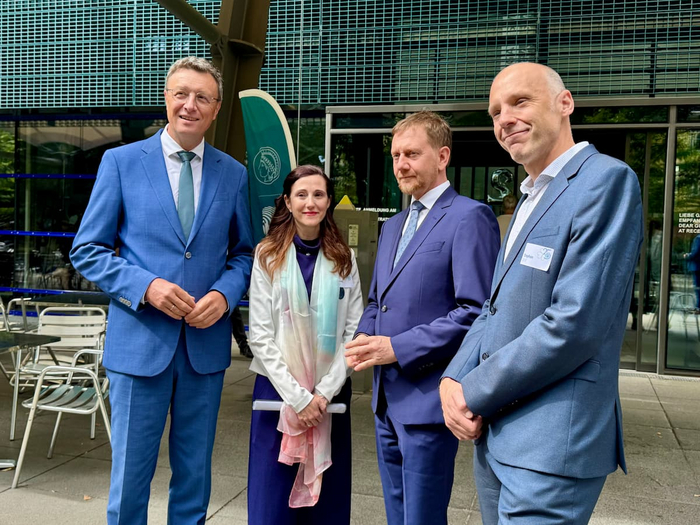
Two days of celebration on August 24 and 25 with staff, alumni, and guests from politics and science in Dresden.
From understanding cells to developing new therapies
Exploring the microenvironment in biomolecular condensates with fluorescent sensors.
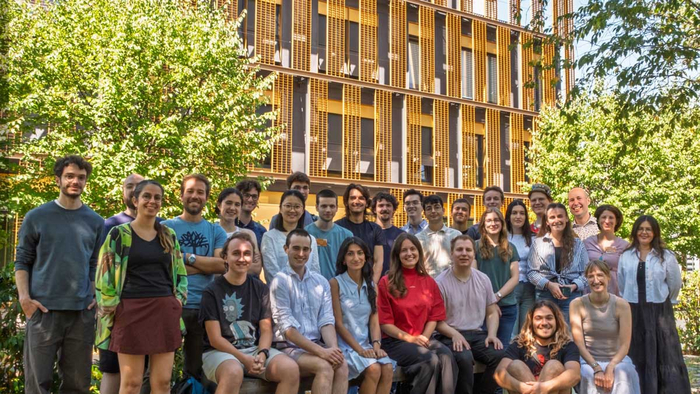
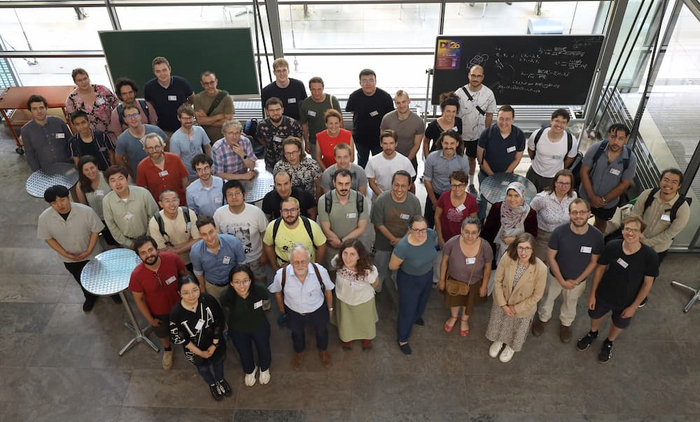
MPI-CBG hosts 60 mathematicians for event on Discrete Laplacians
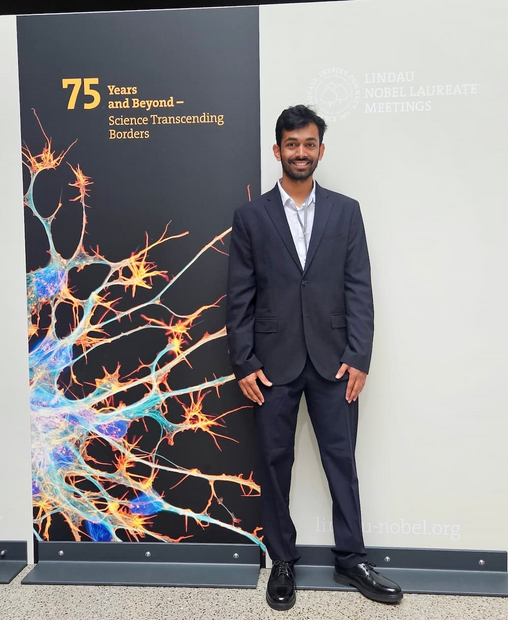
Interdisciplinary program brings together around 70 Nobel Laureates and 600 young scientists across disciplines