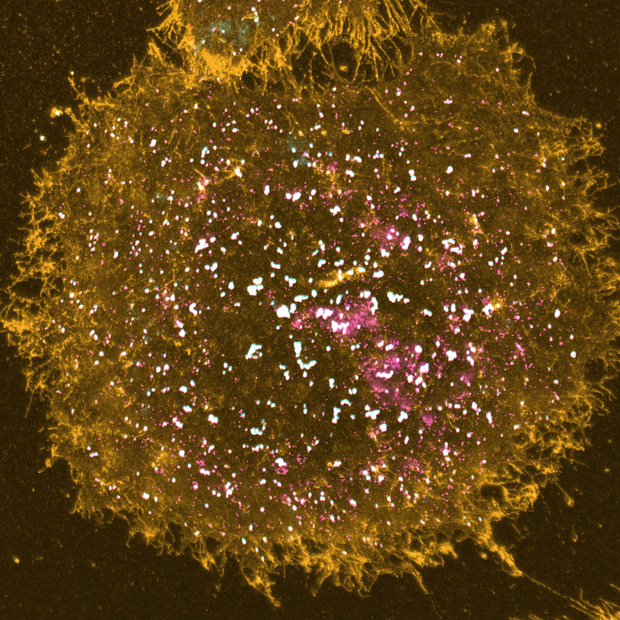
Study reveals that a major membrane transport route into the cell – called clathrin-mediated endocytosis - sorts proteins but not lipids. Lipids use different routes instead.
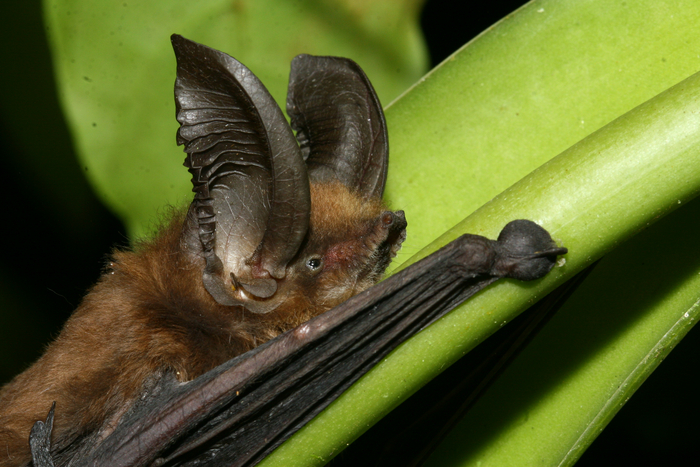
Study finds that bats most likely originated in Europe around 65 million years ago, before spreading across the world. 30 bat genomes for the study were sequenced at MPI-CBG.
International research team presents new imaging technique to make lipids in cellular membranes visible and show how they are organized at the nanoscale.
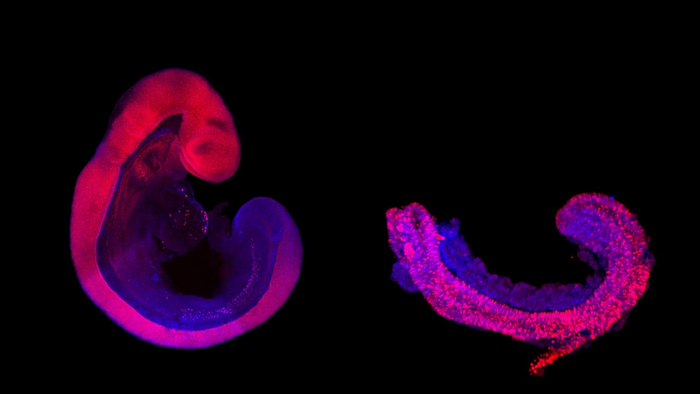
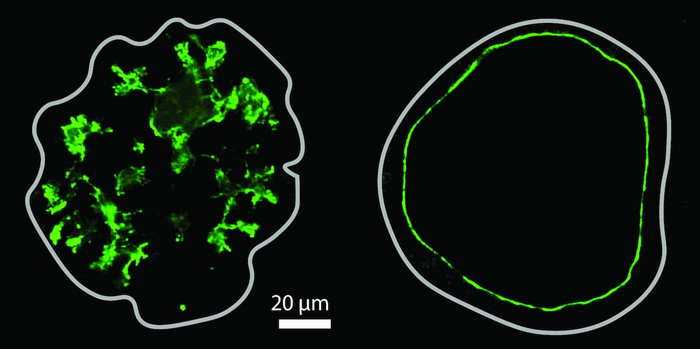
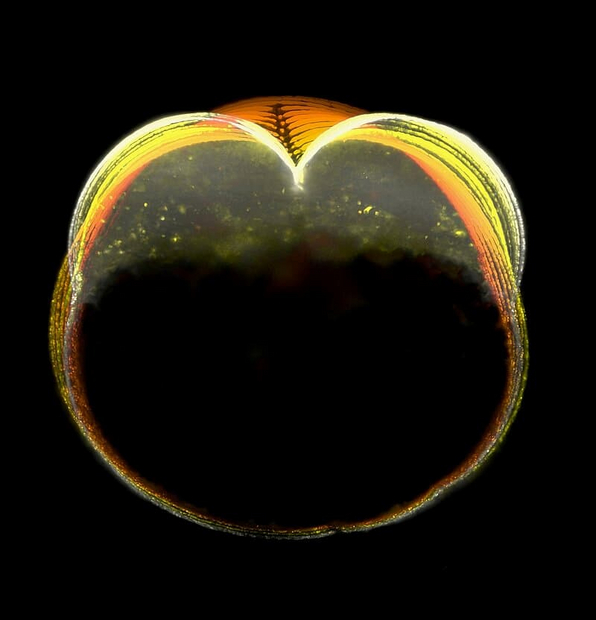
A new study reveals how embryos harness a physical instability in the cytoskeleton, together with precise cell-cycle timing, to reliably self-organize their cytoplasm.
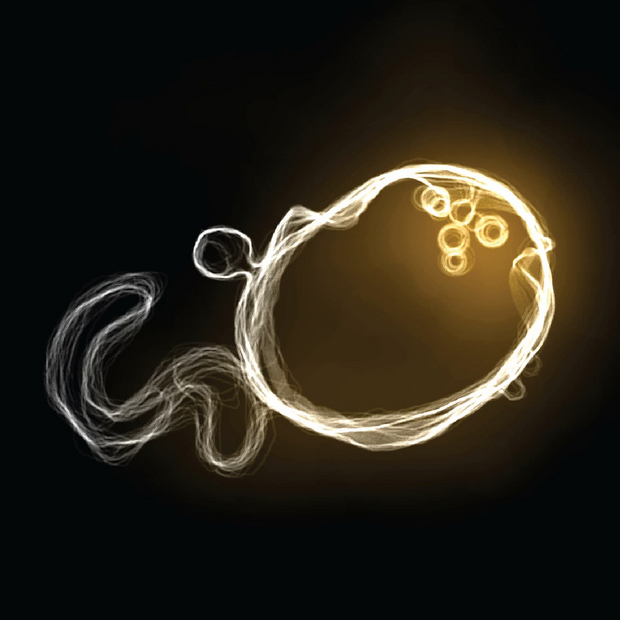
Scientists from the Brugués group at PoL have discovered a new mechanism for how early embryos with large yolks undergo cell division, altering our view of the process.