
550 researchers from all over the world at the Max Planck Institute of Molecular Cell Biology and Genetics (MPI-CBG) are almost always in action - not only for the Dresden Science Night (Dresdner Lange Nacht der Wissenschaften) on June 26, 2026, but especially then! We are looking forward to welcome you this year in person again from 5pm to midnight. We prepared an exciting program for you and we'll hope to see many of you here that evening.
Full program of the 2026 Dresden Science Night:
https://www.wissenschaftsnacht-dresden.de/en/events
Program of the MPI-CBG on the Dresden Science Night website.
We also offer guided tours in Russian or Ukrainian to our science stations. Just ask at the reception desk! One of our employees will then guide you through the house. We are looking forward to international visitors!
Ексурсії українською та російською мовами присвячені Ночі науки в Інституті клітинної біології та генетики (MPI-CBG)
Завітайте до стійки реєстрації та один з наших українських чи російських співробітників залюбки проведуть для вас екскурсію різноманітними науковими станціями. З нетерпінням чекаємо на наших інтернаціональних відвідувачів!
Ночь Науки в Институте молекулярной и клеточной биологии и генетики (MPI-CBG) с сопровождением на украинском и русских языках.
Вы не говорите по-английски или по-немецки? Не беда. Просто спросите на стойке регистрации и один из наших украинских или русских сотрудников проведут для вас экскурсию по институту. Добро пожаловать в наш интернациональный институт!
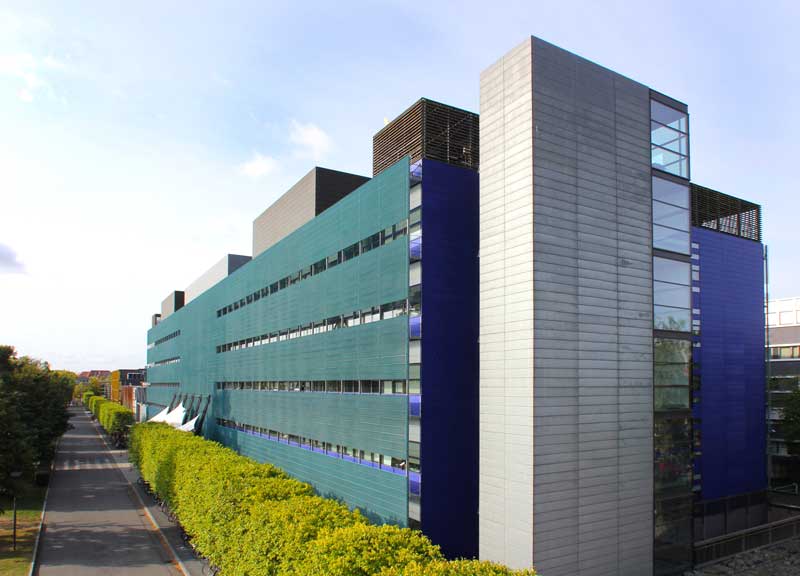
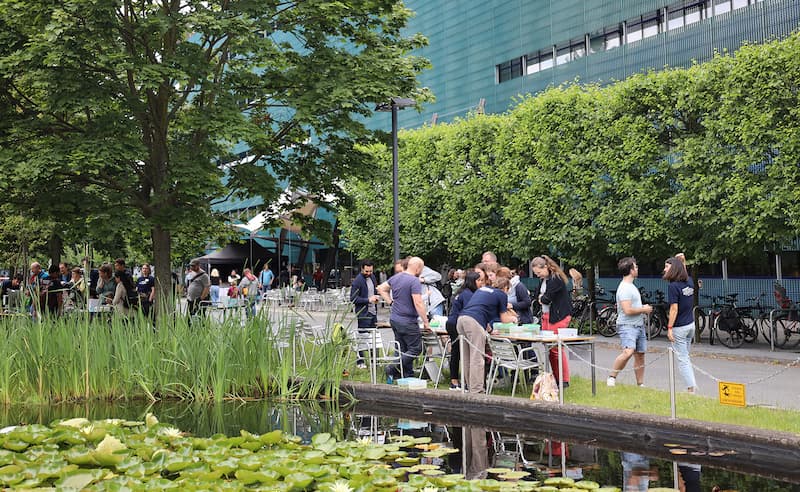
Our institute’s pond is buzzing with life! There are many creatures to observe. Some you can see with your eyes, but some animals are so small that we will need a microscope to see them. Here, you can take your own water samples, and our scientists will happily explain to you what lives inside our pond! You will also discover how microscopes work and why they are so important for our research.
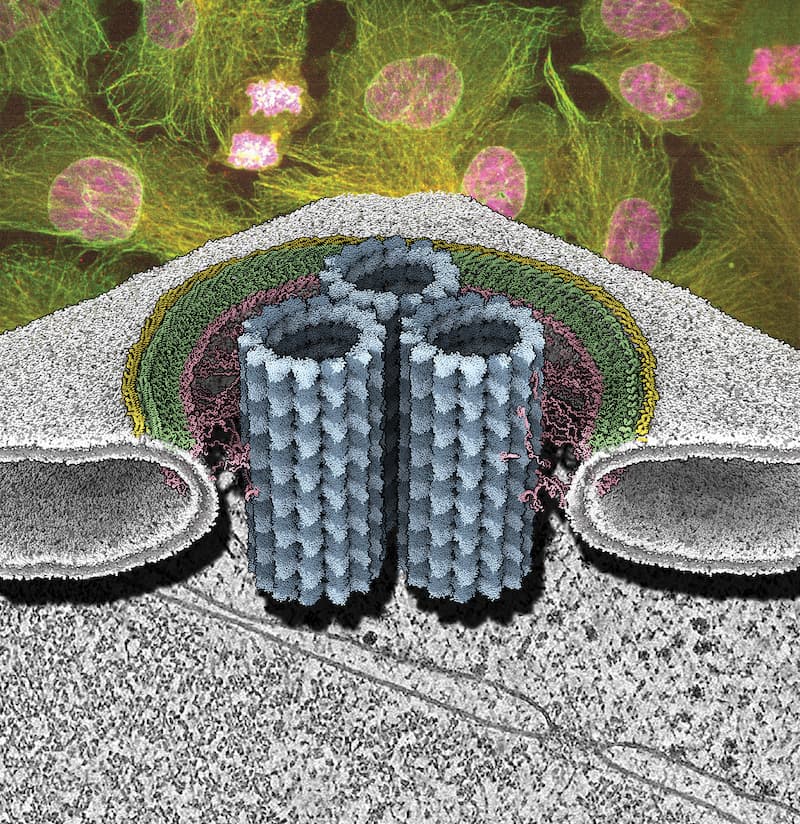
Life starts from one cell, which then divides many, many times to build a body. Tiny helpers and big machines, called proteins, run this process. But how do they do it and how can we find out? You can’t see them by eye, but with the power of lasers and electrons, we make them visible! Let us take you on a journey of glowing proteins inside cells and their structure at freezing temperatures below -180˚C!
Explore the impressive architecture and function of our liver! In our body, it removes harmful substances, converts food into energy, protects us from illness, and can even regenerate itself! Learn about the importance of its structure for our health and how it changes during illness.
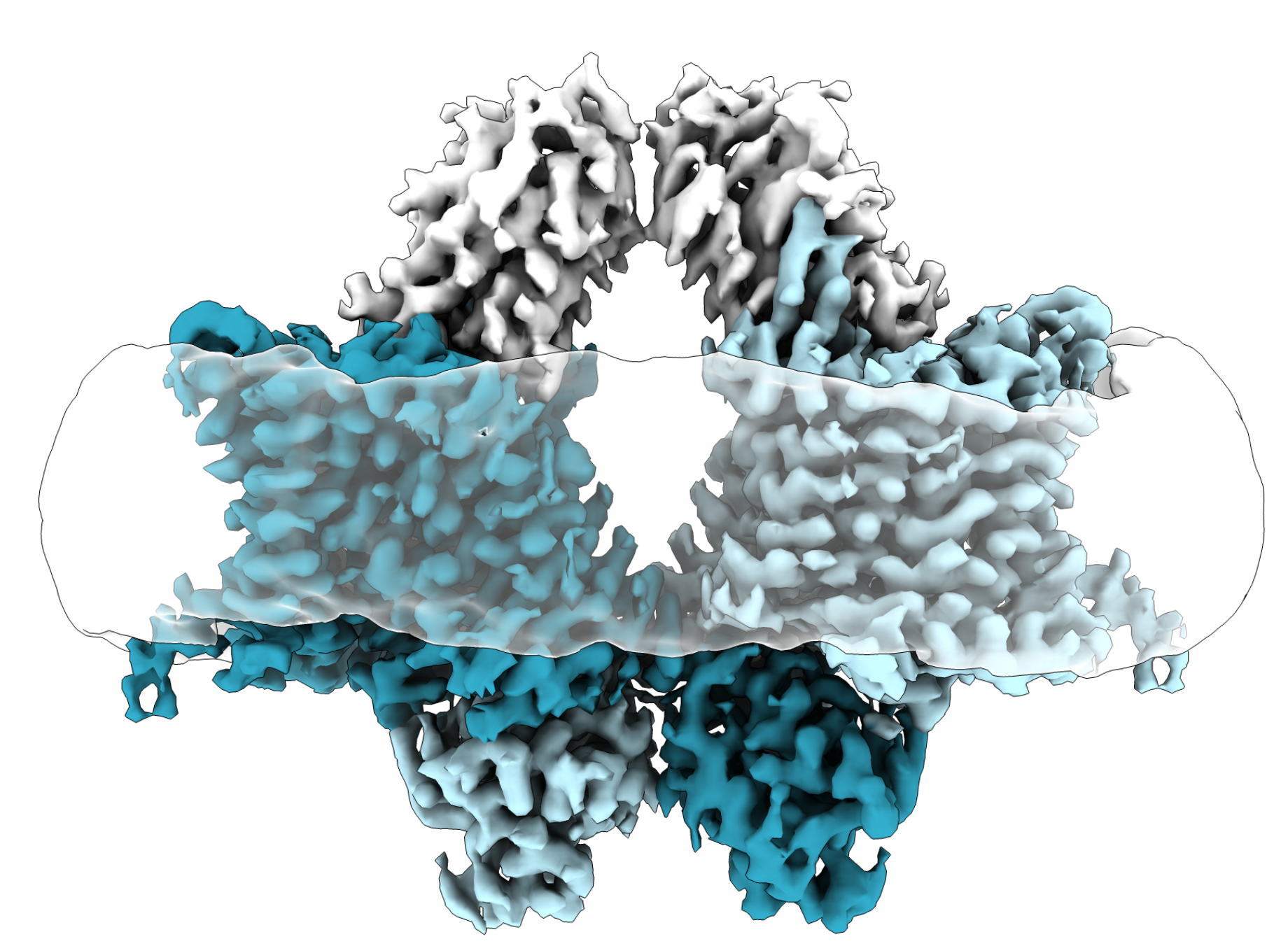
Visit our station to learn all about proteins, the power tools in the smallest factory in the world: the cell. Proteins are much like LEGO; they are all made from only 20 different bricks, but they have all sorts of shapes and functions. But, compared to LEGO, proteins are tiny, with an average diameter of 0.0000005 meters! Even though they are too small to be seen, we show you how to find and isolate proteins yourself and let you test their function and strength in exciting experiments!
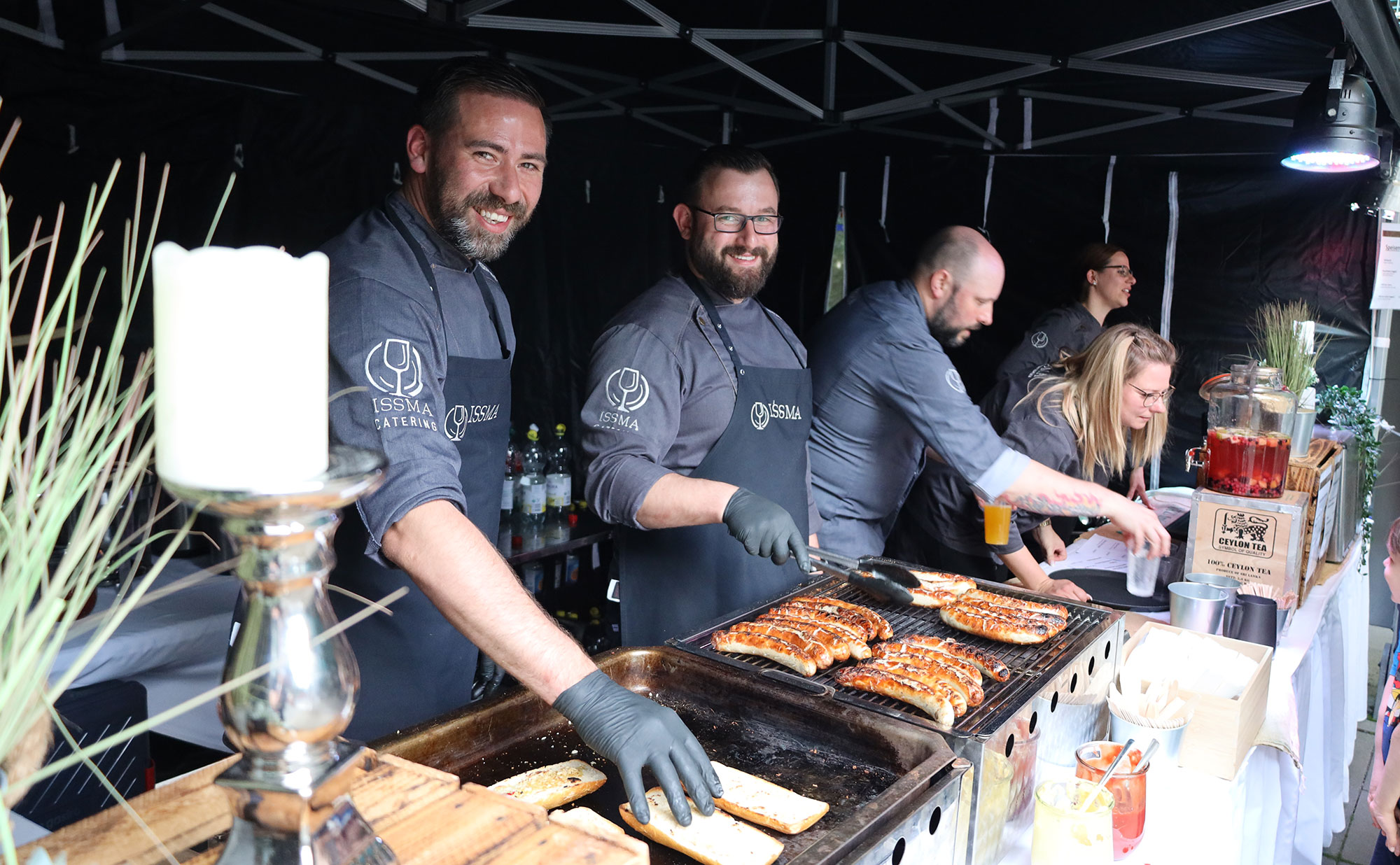
Take a break after or between our exciting activities. For a snack or a cold drink, stop by ISSMA right in front of the institute entrance. Enjoy the evening with a mix of science and a relaxed atmosphere!
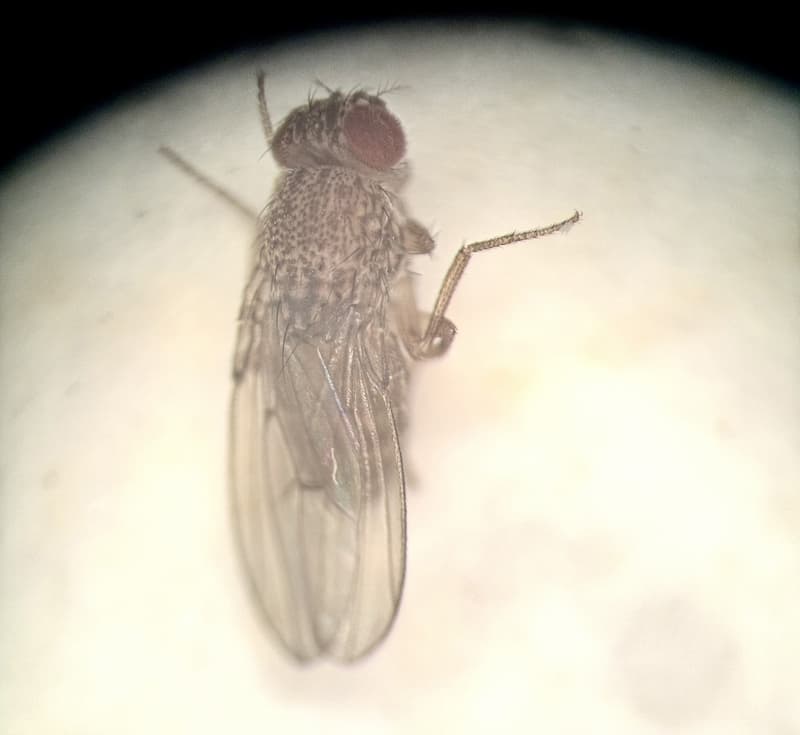
Want to work like a scientist in a white coat and gloves? No problem—we’ve got everything you need. Pipette liquids yourself, observe fruit flies under the microscope, and estimate how many flies are in a test tube.
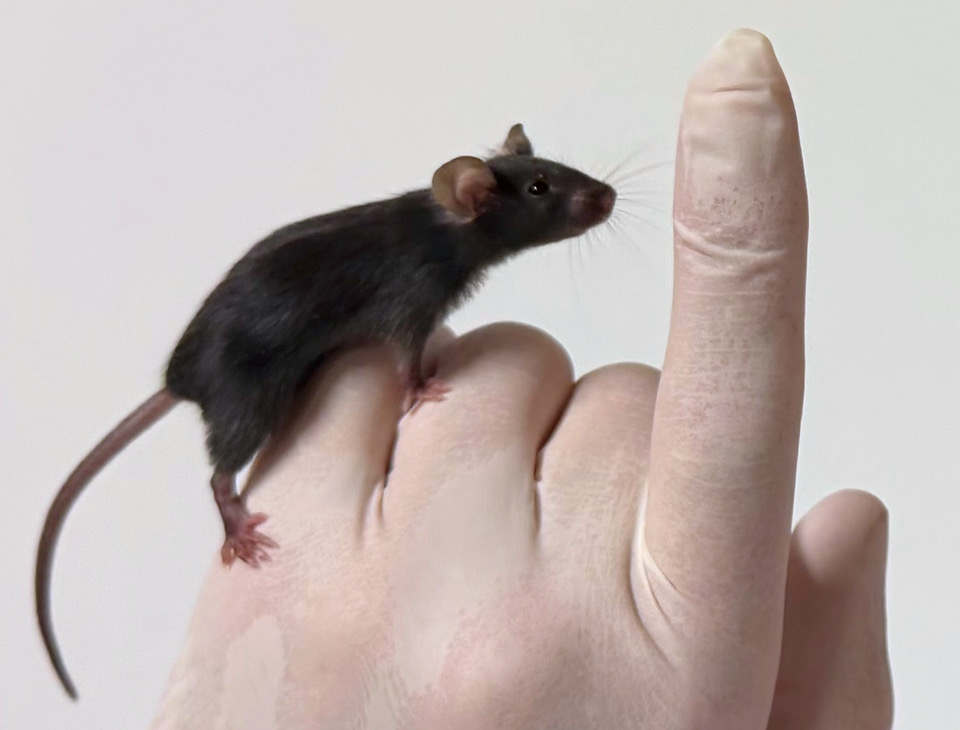
Join us on a journey to discover how animals are kept and cared for at the MPI-CBG. Take a digital peek next door – into the ‘living room’ of our mice. Or step into the shoes of our animal technician and discover how mice are handled in a way that respects their welfare and what is important for their care and wellbeing. Find out more about animal welfare and why animals continue to play an important role in basic research at the MPI-CBG.
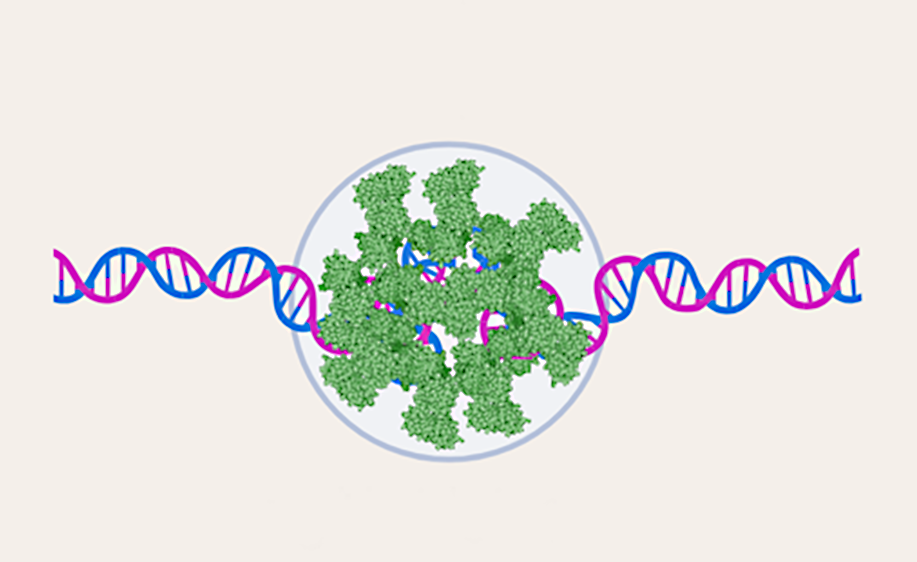
Inside our cells, DNA is constantly at risk of damage. To keep it safe, special proteins quickly gather at damaged sites and organize into small droplets. They act like molecular glue, bringing broken pieces of DNA together to help repair them. Proteins are extremely small (about 2–10 nanometers), so we cannot see them directly. At our station, you can watch how proteins bring broken DNA pieces together to support repair and stability in real time using fluorescent molecules.
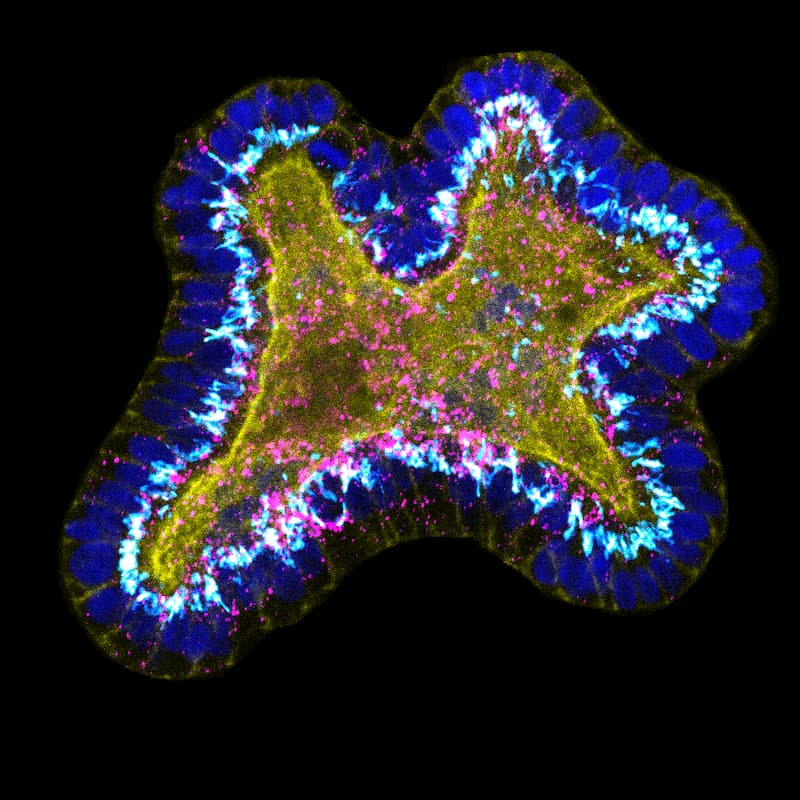
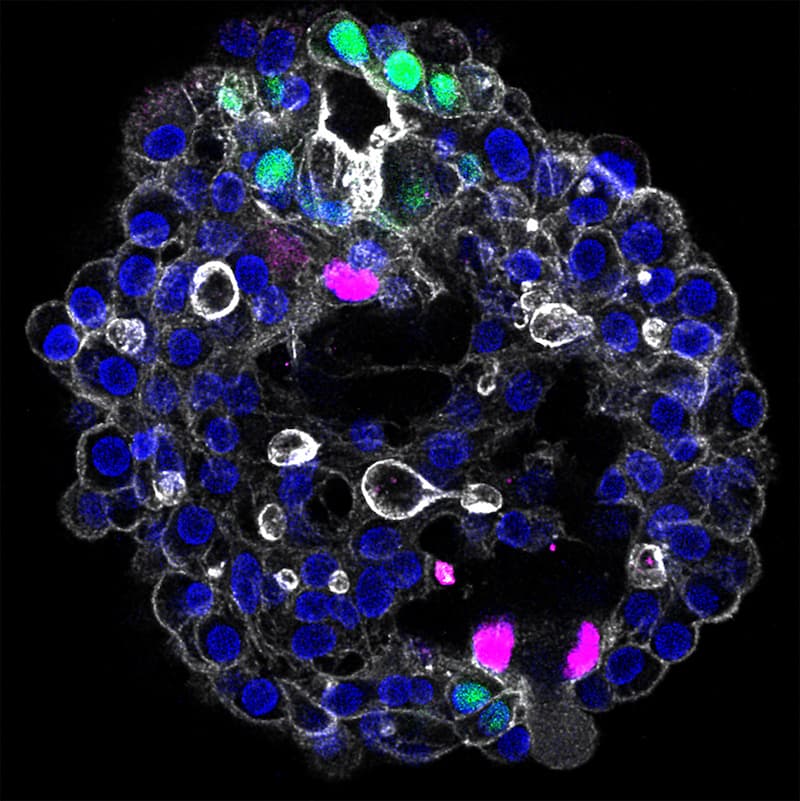
Learn about miniature organ models (organoids)! The research group around the Max Planck Institute of Molecular Cell Biology and Genetics (MPI-CBG) director Dr. Anne Grapin-Botton developed a 3D method to grow pancreas organoids from mouse embryos as well as human stem cells. This model is used to understand how the complex structure of the pancreas is formed from a small group of cells in the embryo.
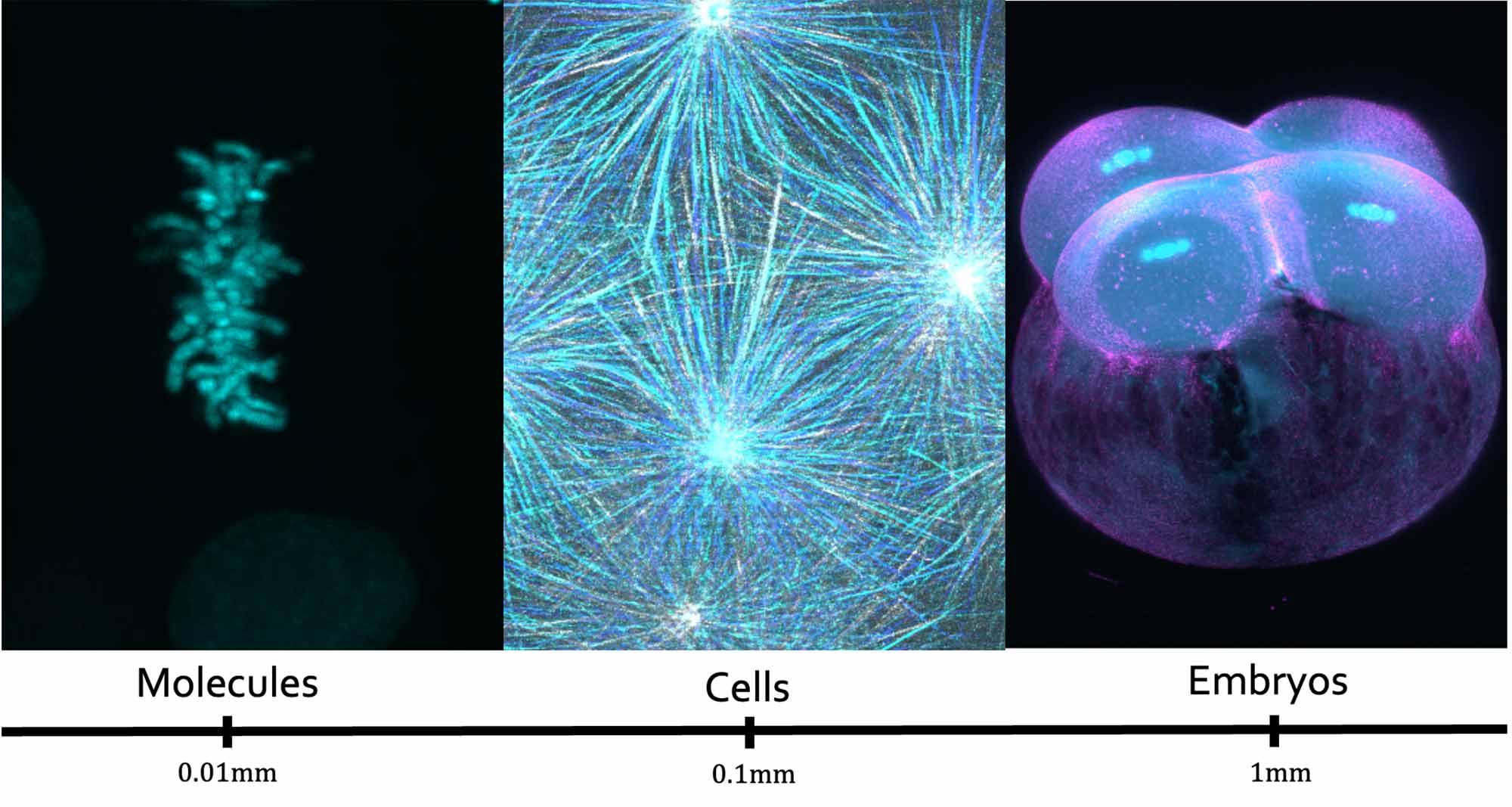
Join us for the Long Night of Science and explore the fascinating biophysics of life across scales! From live zebrafish embryos and a pond of frog eggs with fun facts for kids to experimenting with giant magnetic tweezers that mimic cytoplasmic phases and exploring 3D-printed molecules and western blots, there’s something for everyone. Discover the hidden forces shaping life in this interactive and engaging journey, perfect for curious minds of all ages! A science station of the TU Dresden Cluster of Excellence Physics of Life.
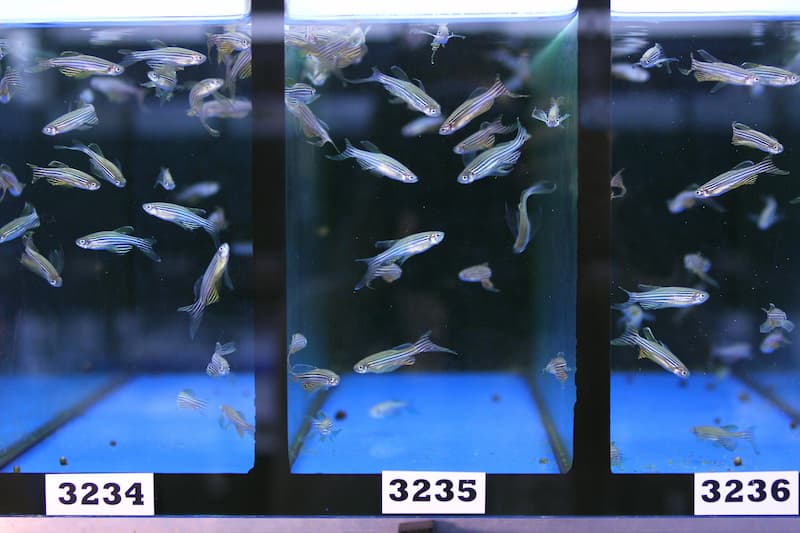
Explore the zebrafish aquariums in the basement! On this expedition, you'll learn why these little fish sometimes have stripes and sometimes dots, why they are so interesting to scientists, and what is on their menu.
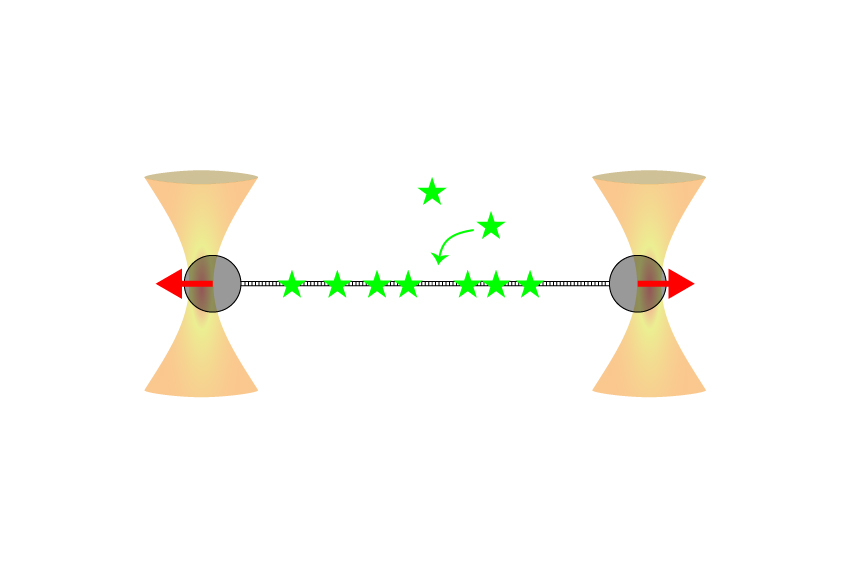
Optical trapping is based on holding micrometer-sized spheres in a tightly focused laser beam. With such probes we can exert and measure forces on the nanoscale. Optical traps are commonly used to stretch, squeeze, and trace single molecules, cells, and tissues in biophysical experiments. Here, we present the working principle of an optical trap and give visitors the chance to trap microscopic objects themselves.
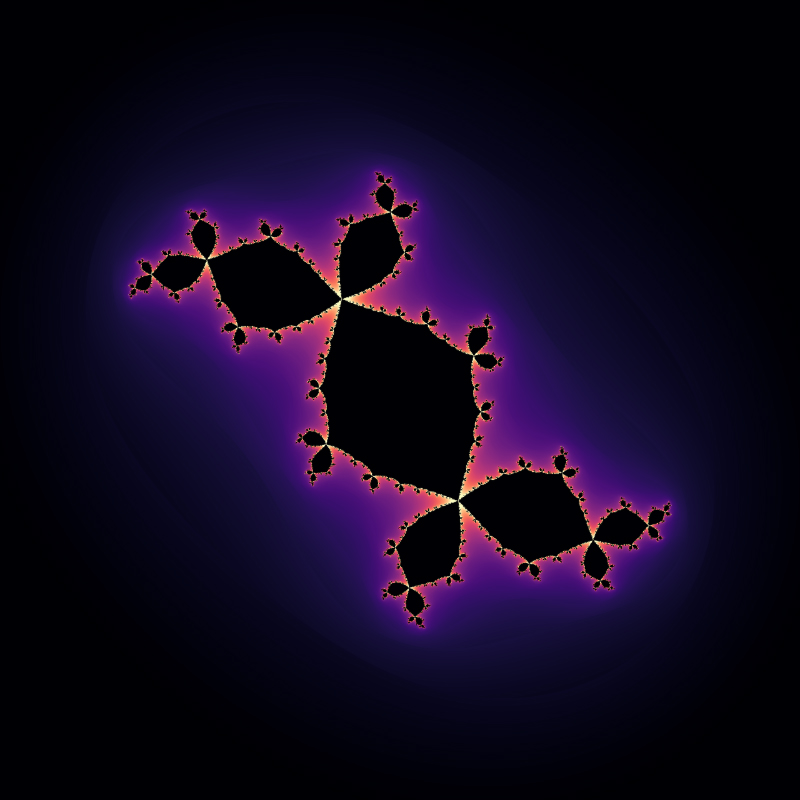
Come check out four amazing aspects of mathematics at MPI-CBG. Capture the essence of shape with persistent homology. Play mini-chess against our matchbox model of AI – a simple machine that learns from every game it plays! Interact with 3d printed shapes from computed algebraic surfaces. Or peer into infinite variety and self-similar pattern with fractals.
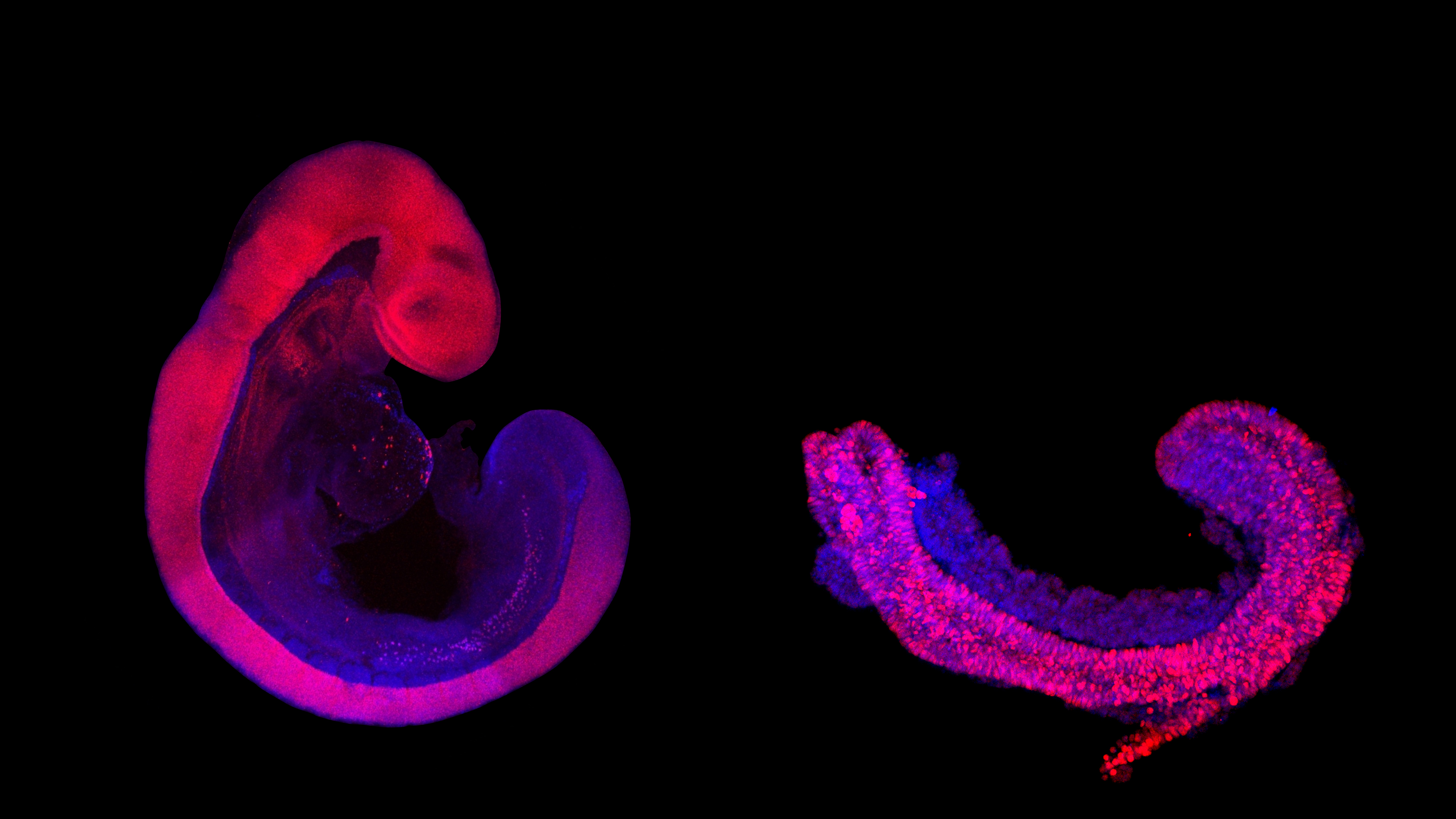
How does an embryo take its shape? To understand this process, scientists need to observe the embryo. In mammals, this is not possible once the embryo implants in the womb. We can now grow embryo-like structures from stem cells in a petri dish, which allows us to study the earliest stages of life in real time. This also research raises ethical and legal questions about how far such models should be developed and used. Come explore the science, ethics, and wonder of development-in-a-dish!
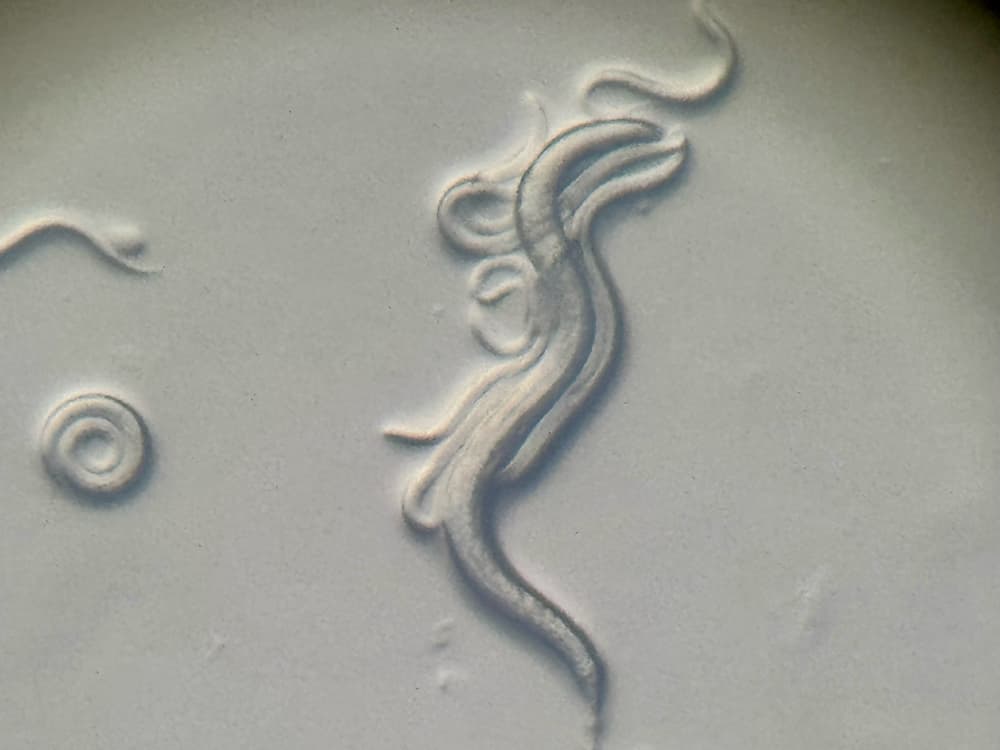
Speaker: Jan Geisler
"Keine schale Sache: Im Wurm live dabei, wenn Leben entsteht"
This public talk will take place at the Faculty of Physics of TU Dresden:
KRO Hermann-Krone-Bau
Nöthnitzer Straße 61
01187 Dresden