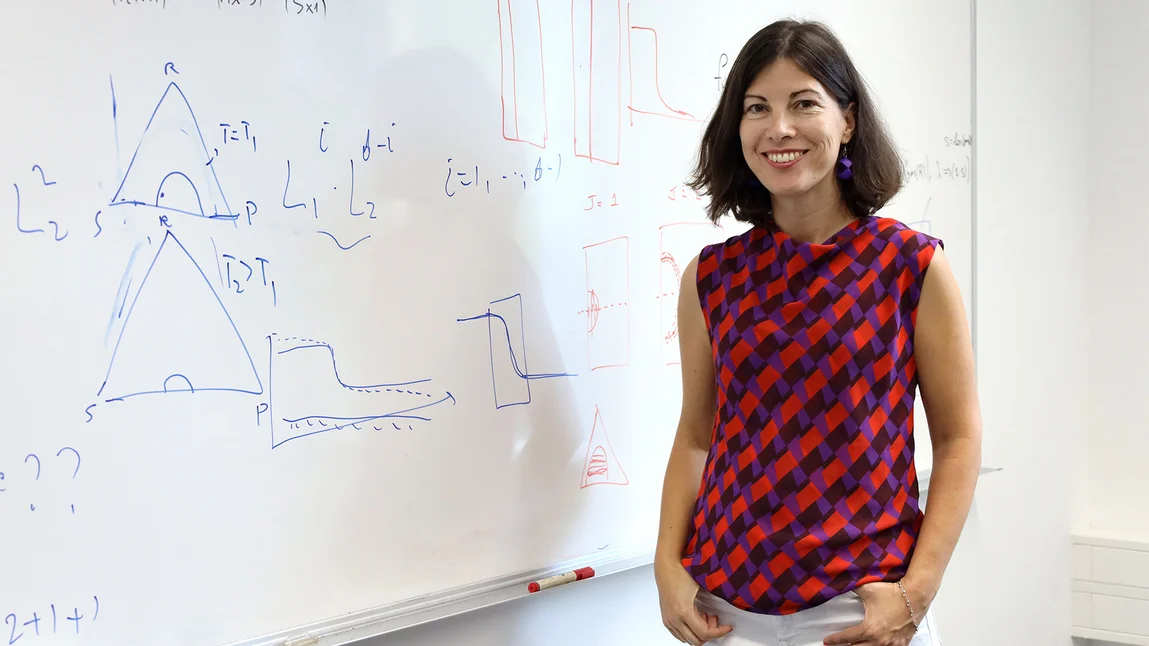
In order for the cell to function properly, proteins must be robust to both changes in their environment and errors made during their synthesis. At the same time, proteins also need to be able to evolve novel functions to survive on long evolutionary timescales. The very same processes, i.e. genetic and phenotypic mutations, generate the diversity that leads to functional innovations and broken proteins, ultimately resulting in novel organisms, diseases and in some cases extinction.
We seeks to understand protein sequence space in the light of evolution and erroneous protein production with focus on intrinsically disordered proteins regions (IDRs). We are fascinated by proteins and their robustness and plasticity towards mutations: a single mutation can result in a novel protein function or a damaged protein leading to disease.
We mainly perform computational experiments using the vast amount of experimental data available (genome sequencing, RNA-Seq, mass-spectrometry proteomics), but we also test our hypotheses experimentally, generate our own data, and work closely with experimental collaborators and clinicians.
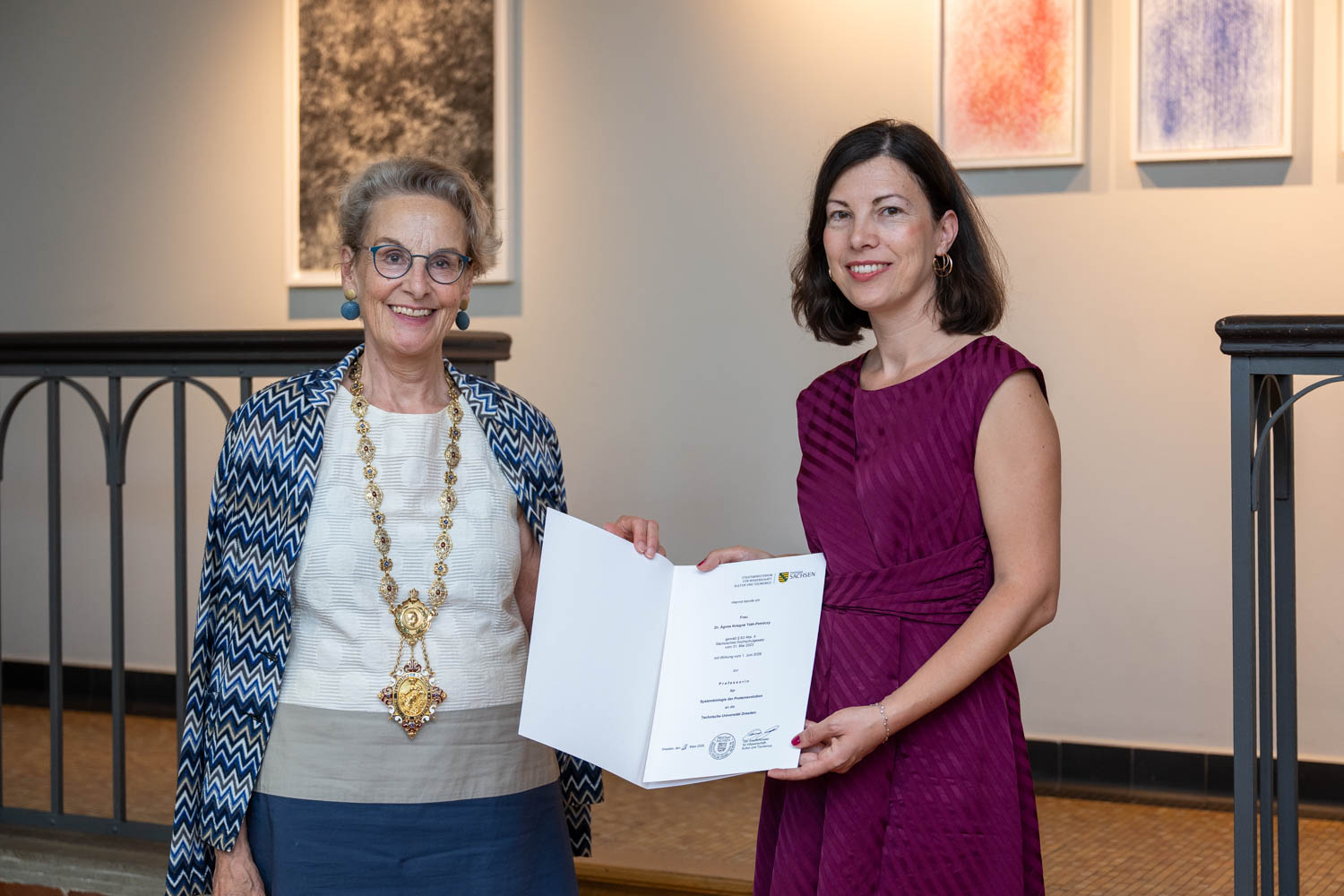
Agnes appointed Professor of Systems Biology and Protein Evolution at TUD and HZDR
Prof. Tóth-Petróczy has been appointed Professor of Systems Biology and Protein Evolution at Technische Universität Dresden and Helmholtz-Zentrum Dresden-Rossendorf (HZDR).
Portrait: The Disorder of Life
Chemist Ágnes Tóth-Petróczy studies disordered proteins. It’s clear that these proteins play a role in the development of diseases – and she and her research group are now working to uncover exactly what happens in the body during this process.