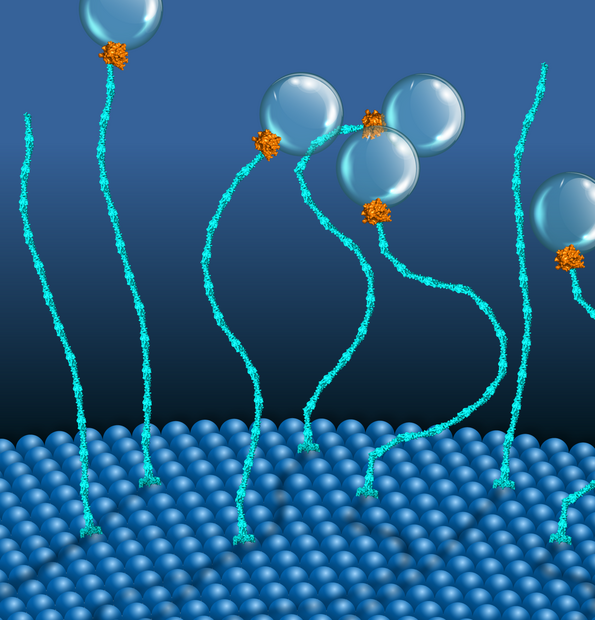
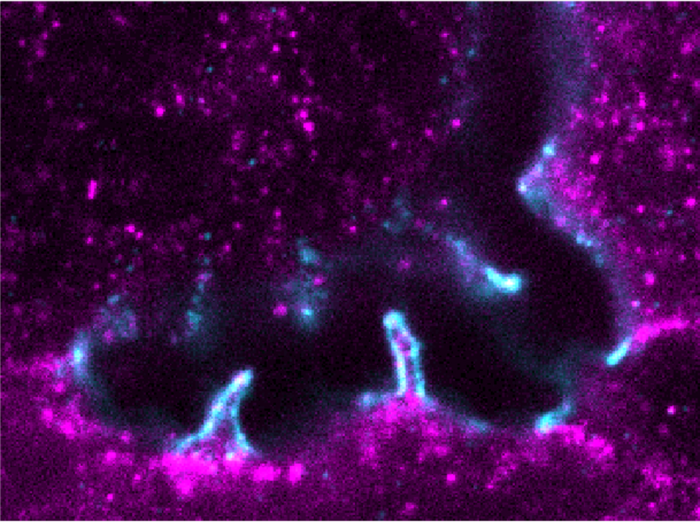
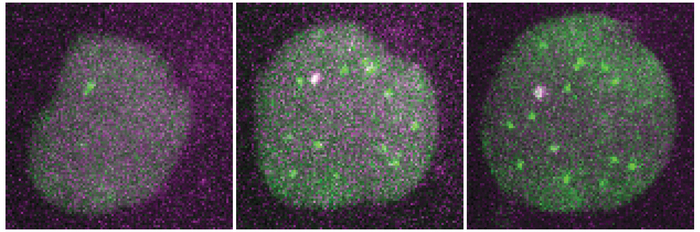
Researchers from Dresden and Bangalore discover a unique two-component molecular motor that uses a kind of renewable chemical energy to pull vesicles toward membrane-bound organelles.
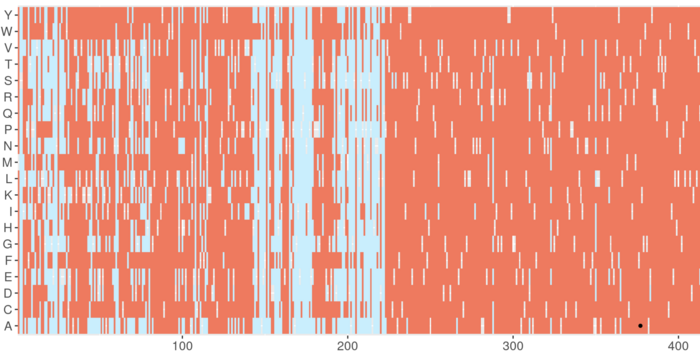
Max Planck and Harvard research teams develop DeMAG, a new method shared as an open-source web server (demag.org) to help interpret mutations in disease genes and improve clinical decision-making.
Dresden researchers develop CrowDsourcing COndensate Database and Encyclopedia (CD-CODE), a community-editable platform and database of biomolecular condensates.
Dresden researchers show that mechanical structures within tiny tubules that transport bile fluid could protect the whole tubular network against elevated pressure.
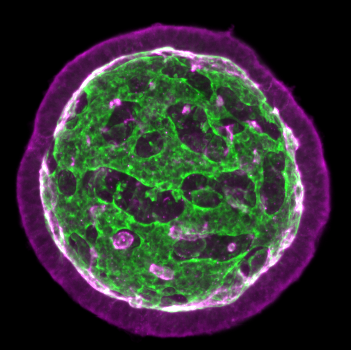
Researchers from Dresden and Vienna reveal link between connectivity of three-dimensional structures in tissues and the emergence of their architecture to help scientists engineer self-organising tissues that mimic human organs.