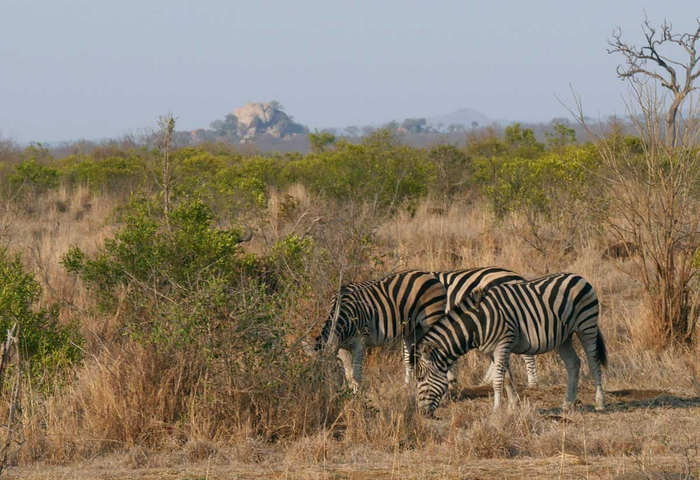
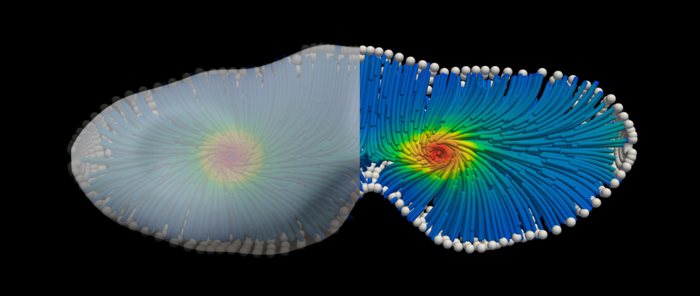
Mathematical model shows that the shape of an animal can influence pattern formation.
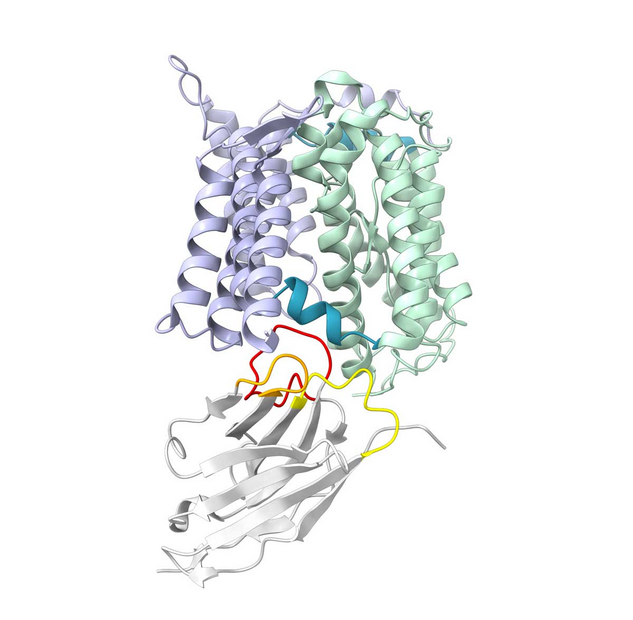
Dresden researchers discover new function of overlooked structural element in the membrane transport protein family.
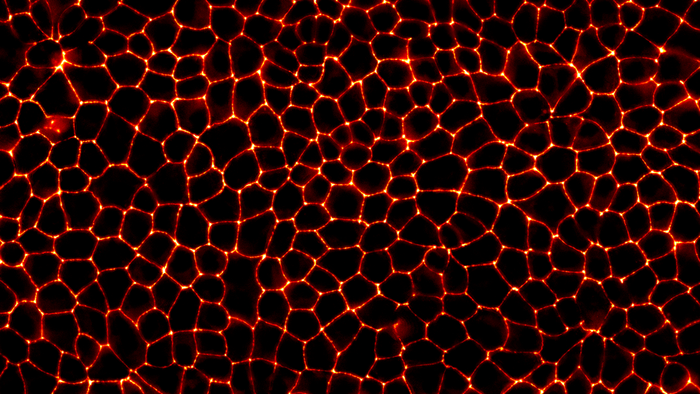
Dresden researchers discover proteins that form tissue barriers to protect the body from unwanted substances
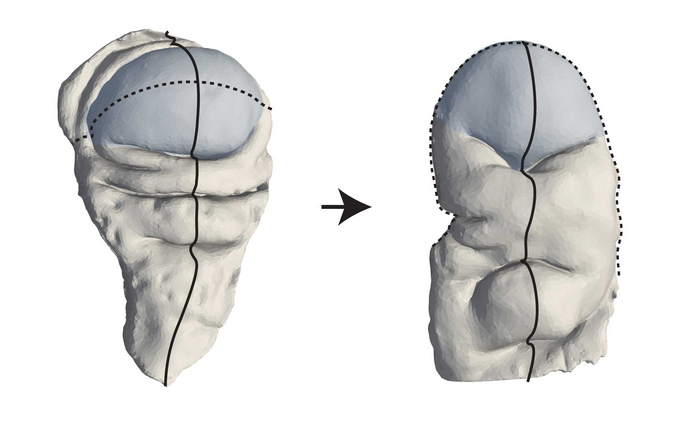
Dresden researchers discover a new mechanism for three-dimensional tissue shape changes in animals.
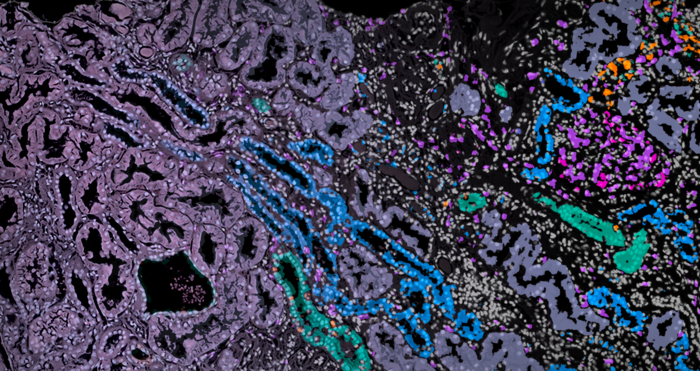
Oxford and Dresden researchers develop a new method, TopACT, and reveal hidden patterns in lupus kidney disease.
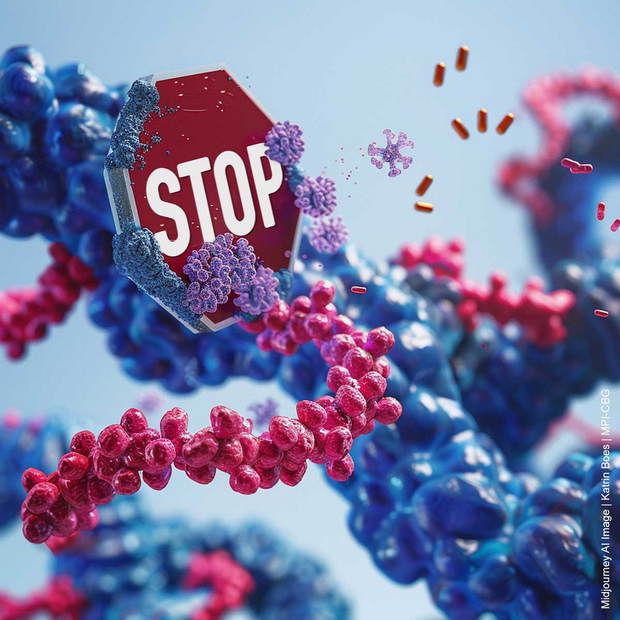
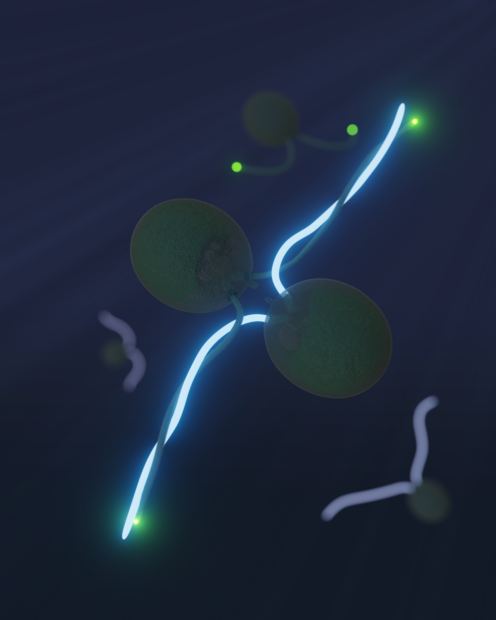
Mistakes in protein production might help organisms adapt to sudden environmental changes.
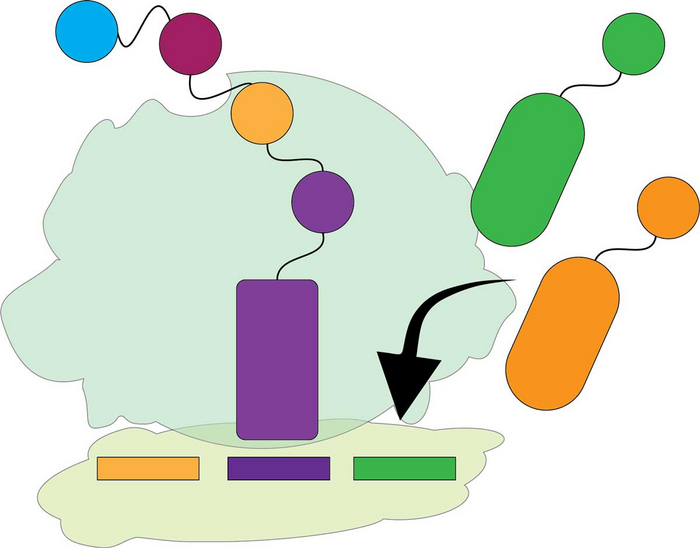
Dresden computational biologists create a proteome-wide model to map mistakes in protein production and their effects on cell fitness.
Open-source supercomputer algorithm predicts patterning and dynamics of living materials and enables studying their behavior in space and time.
Researchers from Milan and Dresden presents a CRISPR/Cas-based method for genetic editing
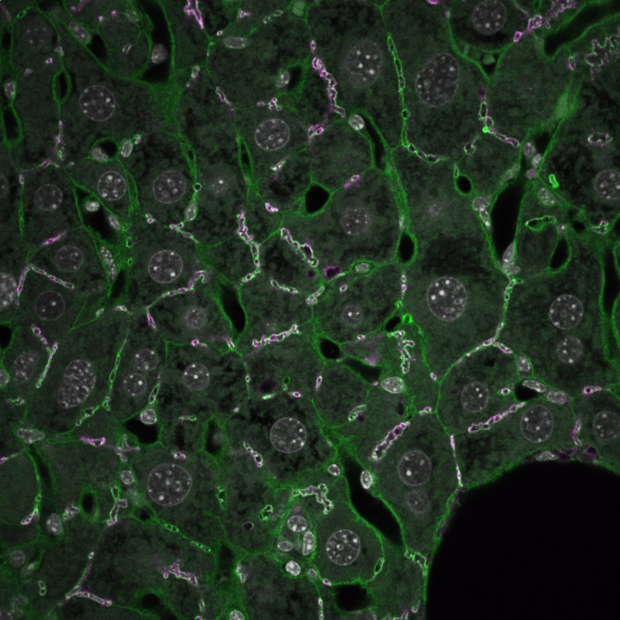
Dresden researchers link excessive pressure in the bile transport network of the liver to the formation of liver cell rosettes, which are observed in many liver diseases.